

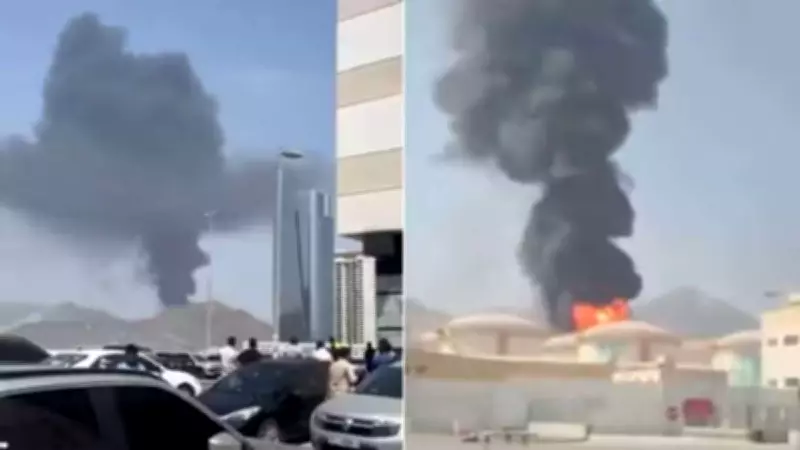
Fire Erupts at UAE's Fujairah Oil Hub Amid Regional Tensions
A major fire broke out at the Fujairah oil storage and export hub in the United Arab Emirates, causing significant disruptions to energy supplies. This incident occurs against a backdrop of escalating conflicts in the Middle East, which have been impacting global energy markets.
Details of the Fujairah Fire Incident
The fire erupted at the Fujairah facility, a key oil hub located on the UAE's east coast. Fujairah is renowned for its strategic importance in the region's oil industry, serving as a critical storage and export point for crude oil and petroleum products. Emergency response teams were immediately dispatched to the scene to contain the blaze and prevent further damage.
Authorities have launched an investigation to determine the cause of the fire. Initial reports suggest that the incident may be linked to the ongoing regional conflicts, which have heightened security risks and operational challenges in energy infrastructure across the Middle East.

Impact on Energy Supplies and Global Markets
The fire at Fujairah has led to temporary disruptions in oil supplies, exacerbating concerns about energy security in the region. Fujairah plays a vital role in the global oil trade, with its facilities handling millions of barrels of oil daily. Any interruption here can have ripple effects on international energy prices and supply chains.
Key impacts include:
- Supply Disruptions: The fire has caused delays in oil exports and storage operations, potentially leading to shortages in certain markets.
- Price Volatility: Global oil prices may experience increased volatility as traders react to the news of the fire and its implications for supply stability.
- Regional Instability: The incident underscores the vulnerabilities of energy infrastructure in conflict-prone areas, raising alarms about future risks.
Context of Middle East Conflicts
The fire at Fujairah occurs amid heightened tensions in the Middle East, where ongoing conflicts have been disrupting energy supplies and geopolitical stability. Regions such as the Gulf have seen increased military activities and security threats, which can directly affect critical infrastructure like oil hubs.
These conflicts have already led to:
- Disruptions in oil production and transportation routes.
- Increased insurance and operational costs for energy companies.
- Global efforts to diversify energy sources to mitigate reliance on Middle Eastern supplies.
Experts warn that such incidents highlight the need for enhanced security measures and contingency planning in the energy sector to safeguard against similar events in the future.
Response and Future Outlook
UAE authorities are working diligently to assess the damage and restore normal operations at Fujairah. The government has assured that measures are in place to minimize the impact on energy supplies and maintain stability in the oil market.
Looking ahead, the incident may prompt:
- Increased investments in fire safety and security protocols at oil facilities.
- Collaborative regional efforts to protect critical energy infrastructure from conflict-related risks.
- Reevaluation of global energy strategies to address vulnerabilities in supply chains.
As the situation develops, stakeholders in the energy industry and international markets will be closely monitoring updates from Fujairah and the broader Middle East region.






