PM Modi Highlights Australia's Role in India's 500 GW Renewable Energy Target
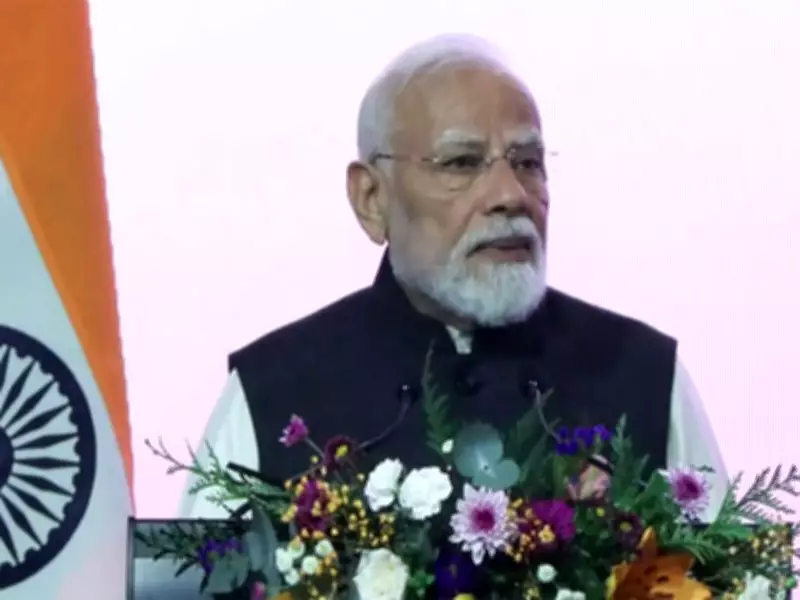
Prime Minister Narendra Modi on Thursday stated that Australia can significantly contribute to India's goal of achieving 500 gigawatts of renewable energy capacity by 2030. Speaking at the India-Australia CEO Forum and Economic Roadmap Business Reception in Melbourne, alongside Australian Prime Minister Anthony Albanese, Modi emphasized opportunities for collaboration in clean energy, nuclear power, and infrastructure.
Clean Energy Manufacturing Ecosystem in India
Modi noted that India is building a manufacturing ecosystem for hydro projects, green hydrogen, solar modules, and wind turbines. He said, "India has set a target of achieving 500 gigawatts of renewable energy capacity by 2030 and reaching net-zero emissions by 2070. Australia's technology, capital, and resources can accelerate this transition."
Nuclear Energy and Uranium Cooperation
The Prime Minister also highlighted plans for 100 gigawatts of nuclear energy capacity by 2047, stating, "Australia's vast uranium reserves align directly with India's nuclear journey." This opens avenues for civil nuclear energy cooperation between the two nations.

Infrastructure Investment Opportunities
Modi invited Australian long-term investors to participate in India's infrastructure growth across ports, airports, roads, railways, and urban development sectors. He described the possibilities as "immense" for Australian capital in these areas.
Critical Minerals and Supply Chain Partnership
Indian High Commissioner to Australia Nagesh Singh noted that the visit would boost business ties in critical minerals and supply chains. He said, "Australia is rich in critical minerals and rare earths. India has huge demand for that given our energy transition ambitions. Discussions are happening at B2B and G2G levels, aiming for greater cooperation and partnership beyond buyer-seller relationships, including value addition and processing."
Bilateral Meetings and Broader Agenda
Modi met with Australian PM Anthony Albanese in Melbourne during the second leg of his three-nation tour to Indonesia, Australia, and New Zealand. The leaders are expected to discuss defence and security, trade and investment, education, mobility, and people-to-people ties. Modi's departure statement mentioned deepening cooperation in emerging and critical technologies, sports, and sports science. After Australia, the Prime Minister will proceed to New Zealand.