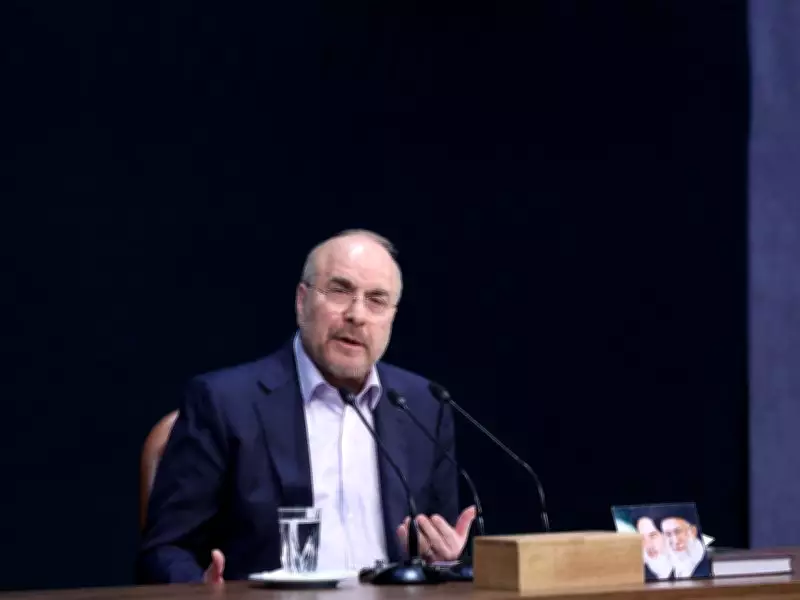
Iran has strongly criticized the United States for what it describes as an attempt to divide the nation and force it into surrender, labeling such efforts as a 'false dream.' The remarks came from Iranian officials in response to recent statements by US leaders regarding Iran's political and economic situation.
Iran's Response to US Statements
In a press briefing, Iranian Foreign Ministry spokesperson Saeed Khatibzadeh dismissed Washington's approach as unrealistic and based on a fundamental misunderstanding of Iran's resilience. 'The United States continues to harbor illusions that it can pressure Iran into submission through sanctions and political isolation,' Khatibzadeh said. 'These are false dreams that will never come true.'
Historical Context of US-Iran Tensions
The latest exchange is part of a long-standing animosity between the two countries, which has escalated since the US withdrawal from the Joint Comprehensive Plan of Action (JCPOA) in 2018. Since then, Washington has reimposed crippling sanctions on Tehran, aiming to curb its nuclear program and influence in the region. Iran has consistently resisted these pressures, developing its domestic capabilities and forging alliances with other nations.

Iran's Accusations of Division Tactics
Khatibzadeh accused the US of employing divide-and-rule tactics, attempting to pit Iranians against each other by highlighting ethnic and sectarian differences. 'The US seeks to weaken Iran from within by sowing discord among its diverse population,' he stated. 'But the Iranian people have proven time and again that they stand united against foreign interference.'
Regional Implications
Analysts suggest that Iran's strong stance is also aimed at rallying domestic support and sending a message to regional allies. The US approach has been met with skepticism not only in Iran but also among some of its neighbors, who fear instability. Iran has called for a more constructive dialogue based on mutual respect, but insists it will not negotiate under duress.
International Reactions
The international community has reacted with concern to the escalating rhetoric. Some European countries have urged both sides to return to diplomatic negotiations, while Russia and China have expressed support for Iran's position. The UN has also called for restraint and a renewed commitment to the JCPOA framework.
As tensions continue, the prospect of direct talks remains uncertain. Iran has set conditions for any negotiation, including the lifting of sanctions and a guarantee of non-interference in its internal affairs. The US has not yet responded officially to the latest Iranian statements, but observers expect the standoff to persist.