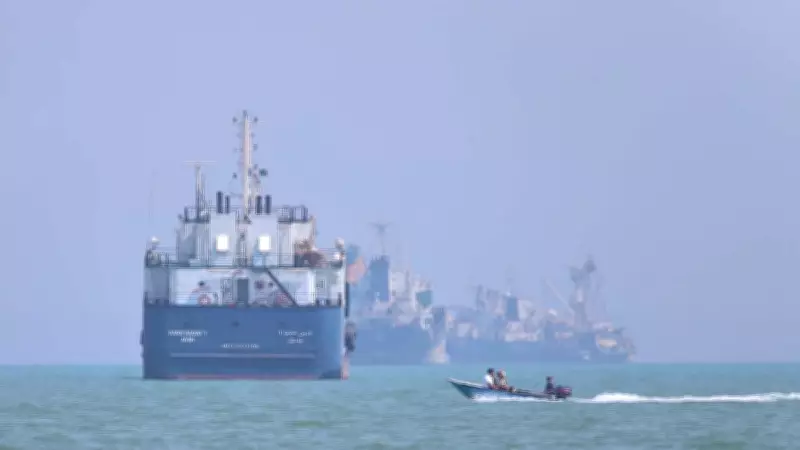
Iran has signaled a significant increase in its control over the strategic Strait of Hormuz, announcing new requirements for ships to register before passing through the vital waterway. The move, which comes amid heightened tensions in the region, has raised concerns among international shipping and oil markets.
New Registration Rules
Iranian authorities have stated that all vessels transiting the Strait of Hormuz must now register with Iranian maritime authorities. The requirement applies to both commercial and military ships, though details on the registration process and enforcement mechanisms remain unclear. Iran has emphasized that free transit will still be guaranteed, but the new rules represent a notable shift in its approach to managing the waterway.
Strategic Importance
The Strait of Hormuz is one of the world's most critical oil transit chokepoints, with approximately 20% of global oil consumption passing through it daily. Any disruption to shipping in the strait could have severe consequences for global energy markets and the world economy. Iran's announcement is seen as an attempt to exert greater influence over this key maritime route.

Regional and International Reactions
The international community has reacted with caution to Iran's announcement. The United States and other Western nations have expressed concern that the new registration requirements could be a precursor to further restrictions on navigation. Shipping companies and oil traders are closely monitoring the situation, with some expressing worries about potential delays or increased costs.
Neighboring Gulf states, including Saudi Arabia and the United Arab Emirates, have also voiced unease. These countries rely heavily on the strait for their oil exports and have long advocated for freedom of navigation in international waters. Iran's move could exacerbate existing tensions in the region, which have been high due to ongoing disputes over nuclear programs and regional influence.
Iran's Justification
Iranian officials have justified the new registration requirement as a measure to enhance maritime security and prevent accidents or illegal activities. They argue that the strait is within Iran's territorial waters and that the country has the right to regulate traffic for safety and environmental protection. However, critics view the move as an attempt to assert sovereignty and increase leverage in regional geopolitics.
Impact on Oil Markets
The announcement has already had an impact on oil prices, with crude futures rising slightly amid fears of potential supply disruptions. Analysts warn that if Iran were to further tighten controls or impose additional restrictions, it could lead to significant volatility in energy markets. The Strait of Hormuz is a lifeline for global oil supplies, and any threat to its accessibility is taken seriously by traders and policymakers alike.
Some experts believe that Iran's move is a negotiating tactic, aimed at gaining concessions in ongoing diplomatic talks. Others see it as a sign of growing assertiveness as Iran seeks to project power in the region. Regardless of the motivation, the new registration requirement marks a notable shift in the management of one of the world's most important waterways.
What's Next?
It remains to be seen how strictly Iran will enforce the new rules and how the international community will respond. Shipping companies may seek legal advice or challenge the requirement through diplomatic channels. The United Nations and other international bodies may also become involved to ensure that freedom of navigation is upheld.
For now, vessels passing through the Strait of Hormuz will need to comply with Iran's registration process, adding a new layer of complexity to an already tense maritime environment. The situation will be closely watched by all stakeholders, from oil traders to naval forces, as the implications of Iran's increased control unfold.