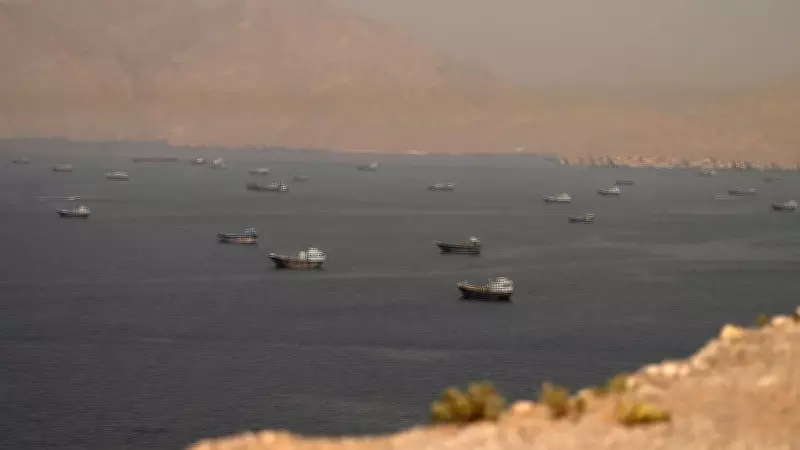
Iran has announced that it will waive fees for passage through the Strait of Hormuz during a 60-day negotiation period. The decision follows the signing of an interim agreement under a memorandum of understanding (MoU) with the United States this week.
Background of the Agreement
The interim agreement marks a significant step in diplomatic relations between Iran and the US, focusing on regional stability and maritime security. The Strait of Hormuz is a critical waterway for global oil shipments, and any changes in its toll structure have international implications.
Details of the Fee Waiver
Under the new arrangement, Iran will temporarily suspend collection of transit fees for vessels passing through the strait. This move is intended to facilitate negotiations and build trust between the two nations. The 60-day period provides a window for both sides to discuss broader issues, including sanctions and nuclear activities.

Analysts view this as a positive gesture that could de-escalate tensions in the region. The waiver applies to all commercial and military vessels, though specific terms are yet to be disclosed.
Reactions and Implications
The announcement has been met with cautious optimism from international observers. Oil markets have responded with stability, as the waiver reduces the risk of disruptions in the strait. However, experts warn that the situation remains fragile and depends on the progress of negotiations.
Iranian officials emphasized that the fee waiver is temporary and conditional on continued dialogue. The US has not yet issued a formal response but is expected to engage in discussions during the 60-day period.