

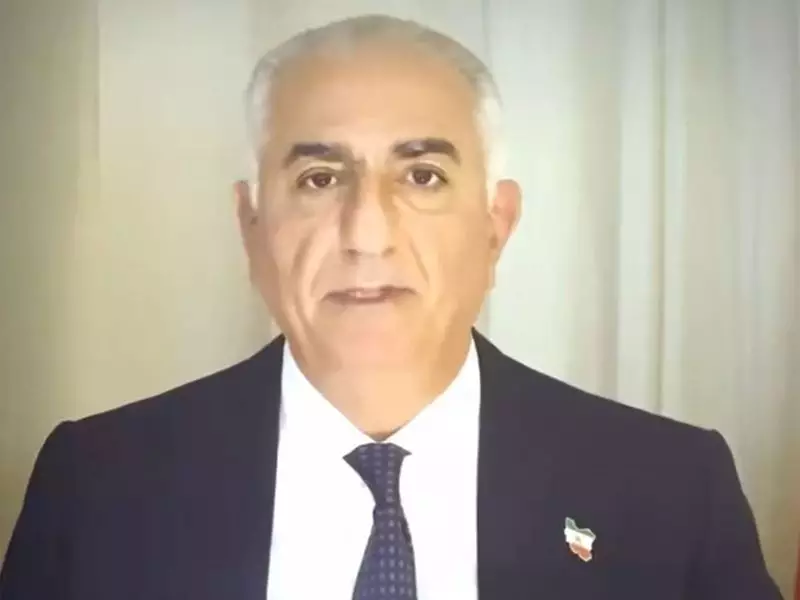
In a significant development from the Iranian diaspora, the exiled Crown Prince of Iran, Reza Pahlavi, has issued a powerful call to action. He is urging citizens inside Iran to initiate a widespread economic and workers' strike to challenge the current Islamic Republic regime. Simultaneously, Pahlavi has revealed that he is actively preparing for a potential return to his homeland, a move that could dramatically alter the country's political landscape.
A Direct Appeal for Civil Disobedience
Speaking in a video message that has since circulated widely, Reza Pahlavi made a direct appeal to the Iranian people. He specifically called for a campaign of civil disobedience targeting the regime's economic foundations. The core of his strategy is a general strike involving workers across vital sectors and a broad boycott of economic activities. This, he argues, is a peaceful yet potent method to cripple the government's functionality and express collective dissent.
Pahlavi's message is not an isolated plea but is framed as a response to the enduring spirit of protest within Iran. He referenced the persistent anti-government demonstrations, notably those triggered by the death of Mahsa Amini in 2022, which have continued in various forms despite severe state repression. The Crown Prince positioned his call for an economic strike as the next logical step in this sustained resistance, aiming to convert public discontent into tangible economic pressure.

Preparations for a Historic Return
Perhaps the most striking revelation from his address was the confirmation of his preparations to go back to Iran. "I announce that I am ready to return to Iran," Pahlavi declared, framing this not as a distant dream but as an active plan in the making. He did not provide a specific timeline or detailed logistical blueprint, acknowledging the complexities and dangers involved. However, the statement itself carries immense symbolic weight, offering a focal point for opposition hopes and presenting a direct challenge to the Tehran government's authority.
This preparation for return suggests a belief that the political situation may be reaching a critical juncture. Pahlavi, who has lived in exile since the 1979 Islamic Revolution that overthrew his father, Shah Mohammad Reza Pahlavi, has long been a prominent figure for secular and monarchist opposition groups. His potential physical return would be a seismic event, likely intended to galvanize the opposition and present a concrete alternative to the current theocratic leadership.
The Context of a Fragmented Opposition
Reza Pahlavi's latest move comes amidst a complex and often fragmented Iranian opposition scene, which includes republicans, monarchists, leftists, and ethnic minority groups. His call for unity and a coordinated economic struggle is also an attempt to bridge these divides and create a common platform for action. The emphasis on non-violent economic resistance is designed to be a unifying tactic that can garner broad domestic support and maintain international sympathy.
The regime in Tehran has consistently blamed foreign powers and "hostile media" for fuelling unrest. Figures like Pahlavi are routinely labelled as tools of Western powers, especially the United States and Israel. His public call for strikes and talk of return will undoubtedly be used by Iranian state media to reinforce this narrative and justify further internal crackdowns on dissent.
The immediate practical impact of Pahlavi's call inside Iran remains to be seen. Organizing large-scale economic strikes under the watch of Iran's extensive security apparatus is exceedingly dangerous. However, the country has faced periodic strikes by teachers, bus drivers, and oil workers in recent years over economic grievances, indicating that labour unrest is a potent force. Pahlavi's message seeks to channel this existing economic frustration into a coordinated political movement.

International Repercussions and the Path Forward
Internationally, the statement refocuses attention on Iran's internal tensions. World powers monitoring the nuclear deal and regional security will be watching how this influences the regime's stability. For the global Iranian diaspora, Pahlavi's announcement is a rallying cry, potentially leading to increased lobbying and advocacy efforts in Western capitals to support the protest movement inside Iran.
In conclusion, Reza Pahlavi's dual announcement—a call for economic strikes and preparations for his return—marks a bold escalation in his political campaign against the Islamic Republic. It moves beyond symbolic support from abroad to advocating for specific, disruptive actions within Iran. While the regime holds formidable coercive power, the persistent economic crisis and deep-seated public dissatisfaction create fertile ground for such appeals. The coming weeks may reveal whether this call translates into visible, coordinated action on the ground, setting the stage for a potentially historic confrontation.





