

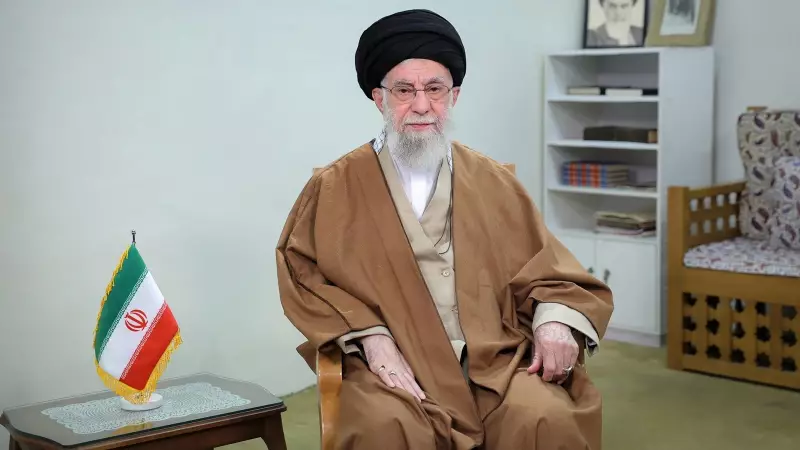
Iran's Supreme Leader has issued a stern warning to anti-government demonstrators, signalling a more severe crackdown as protests spread across the country despite an unprecedented communications shutdown.
Khamenei Accuses Protesters of Serving Foreign Masters
In a speech broadcast on state television on Friday, Ayatollah Ali Khamenei, the country's 86-year-old supreme leader, launched a fierce verbal attack on the protesters. He accused them of acting on behalf of foreign powers and specifically targeted the United States.
"They are ruining their own streets to make the president of another country happy," Khamenei stated, in a clear reference to former US President Donald Trump. His remarks were met with supportive chants of "Death to America!" from the assembled audience, echoing a decades-old slogan of the Islamic Republic.

Protests Defy Nationwide Internet and Phone Blackout
The leader's address came as Iranians continued to pour onto the streets overnight, defying government efforts to quell the unrest by imposing a near-total information blackout. Authorities have cut off most internet access and international phone services in a bid to isolate the protest movement and prevent coordination.
Despite these draconian measures, protesters reportedly marched through neighbourhoods in Tehran and other major cities into the early hours of Friday morning. The demonstrations were responding to calls for action issued by exiled Crown Prince Reza Pahlavi, the son of Iran's last monarch.
Conflicting Narratives on Casualties and Cause
After days of scant coverage, Iranian state media finally acknowledged the protests on Friday. However, they presented a narrative starkly different from that of independent observers. State outlets alleged that "terrorist agents" backed by the United States and Israel were responsible for inciting violence and arson.
Officials confirmed there had been "casualties" but provided no specific figures or details. This stands in sharp contrast to reports from human rights groups. According to the US-based Human Rights Activists News Agency, the situation is far more grim. They report that at least 42 people have been killed since the unrest began, while more than 2,270 protesters have been detained.
The protests, which began on December 28, were initially sparked by worsening economic conditions, including soaring prices, high unemployment, and public anger over corruption. They have since rapidly evolved into the most significant challenge to Iran's ruling establishment in years. Slogans heard in the crowds have increasingly shifted from economic grievances to direct criticism of the country's political and religious leadership, marking a dangerous escalation for the authorities in Tehran.






