

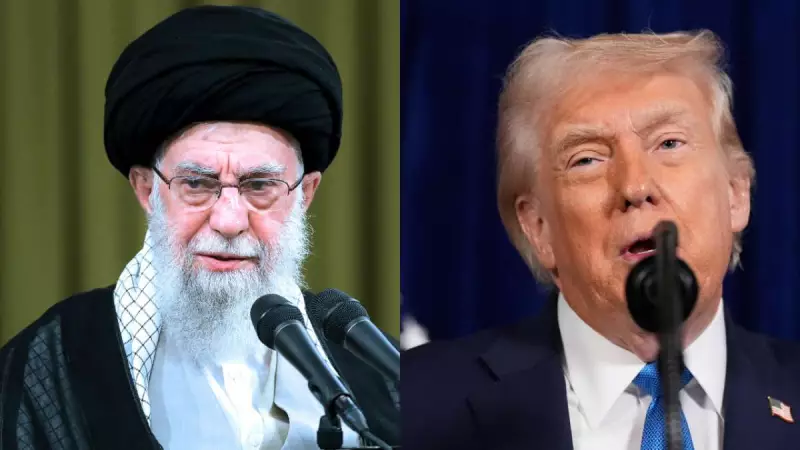
Iran's Supreme Leader, Ayatollah Ali Khamenei, has issued a chilling warning to former US President Donald Trump, stating "he too will fall," amidst a backdrop of escalating and deadly protests across the country. The warning comes as Iran grapples with its most significant wave of unrest in months, triggered by severe economic hardship and simmering public discontent.
Deadly Unrest Grips the Nation
The protests, which have spread to numerous cities, have taken a violent turn, resulting in a significant loss of life. Official reports confirm that at least 62 people have been killed in clashes between security forces and demonstrators. The unrest appears to be fueled by a combination of economic frustration, including soaring inflation and unemployment, and lingering anger over past government crackdowns.
While the immediate spark for the latest demonstrations is linked to economic grievances, analysts note that the underlying tensions trace back to the widespread protests following the death of Mahsa Amini in 2022. The young woman's death in morality police custody ignited a nationwide movement demanding greater social freedoms and challenging theocratic rule, a movement that was met with a severe and often brutal state response.

Khamenei's Stark Message to Trump
In a speech delivered on January 9, 2026, Ayatollah Khamenei directly addressed Donald Trump, who during his presidency pursued a policy of "maximum pressure" on Iran by withdrawing from the nuclear deal and imposing crippling sanctions. Khamenei's remark, "he too will fall," is seen as a pointed retort, suggesting that Trump's political fate will mirror the downfall of other leaders who have opposed the Islamic Republic.
This rhetoric is not merely symbolic. It serves a dual purpose: to project strength and defiance in the face of external pressure, and to rally domestic hardliners by framing the internal protests as part of a broader struggle against foreign enemies, primarily the United States and its allies. The leadership consistently blames external "conspiracies" for instigating domestic turmoil.
International Repercussions and Domestic Crackdown
The resurgence of violent protests and the high death toll are likely to draw renewed international scrutiny towards Iran's human rights record. Western nations, already critical of Tehran's regional activities and nuclear ambitions, may consider further diplomatic or economic measures in response to the crackdown.
Domestically, the government has moved swiftly to contain the protests. Security forces have been deployed in strength, internet access has been heavily restricted in affected areas to prevent the spread of information and organization of demonstrations, and state media has largely downplayed the scale of the unrest, focusing instead on sporadic pro-government rallies.
The situation remains highly volatile. The combination of deep-seated economic misery, a population weary of restrictions, and a leadership unwilling to compromise on its core principles creates a dangerous tinderbox. Khamenei's warning to Trump underscores the regime's view that its survival is linked to resisting Western influence, even as it confronts one of its most persistent internal challenges in years. The coming days will be critical in determining whether the state's security apparatus can quell the dissent or if the protests will evolve into a more sustained challenge to the establishment.






