Iran’s supreme leader, Ayatollah Ali Khamenei, remains conspicuously absent from public view, leaving a void at the top of the regime. This absence has fueled speculation about his health and the future leadership of the Islamic Republic. The tensions spilled into the open this week when Iran’s president, Masoud Pezeshkian, and foreign minister, Abbas Araghchi, appeared to be jeered and harassed during the elder Khamenei’s funeral procession, according to witnesses and local media reports.
Public Display of Discontent
The incident occurred during the funeral of a prominent cleric, where Pezeshkian and Araghchi faced open hostility from mourners. Videos circulating on social media show the president being jostled and shouted at, a rare public display of dissent against high-ranking officials. Analysts suggest this reflects growing frustration with the regime’s leadership vacuum and economic woes.
Succession Uncertainty
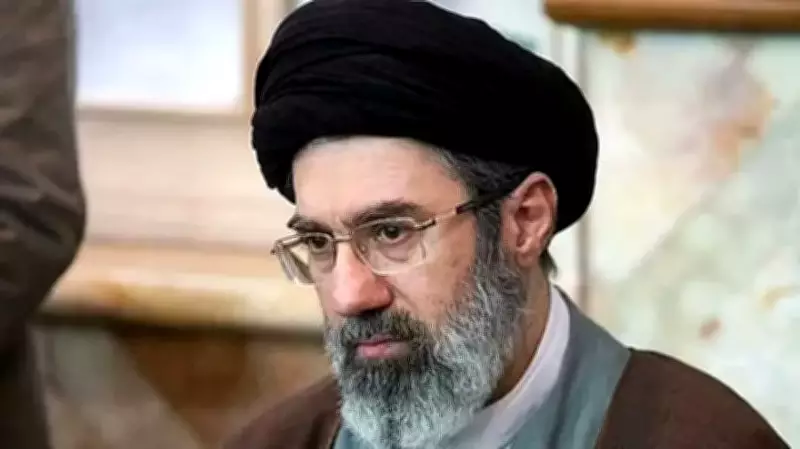
With Khamenei, 87, reportedly in poor health, attention has turned to his successor. His son, Mojtaba Khamenei, is widely seen as a potential candidate, but his lack of clerical credentials and public support raises questions. The Assembly of Experts, tasked with selecting the next supreme leader, has not publicly discussed the matter, adding to the uncertainty.

Impact on Governance
The power vacuum has paralyzed decision-making on key issues, including nuclear negotiations and economic reforms. According to a senior Iranian official who spoke on condition of anonymity, "The absence of clear leadership has emboldened hardliners and weakened moderates, creating a dangerous stalemate." The official added that the jeering of Pezeshkian signals a loss of public confidence in the government.
Historical Context
This is not the first time Iran has faced a leadership transition. After the 1989 death of Ayatollah Ruhollah Khomeini, Khamenei assumed power despite lacking the same religious authority. Today, the regime faces similar challenges, compounded by widespread protests and international sanctions. The lack of a clear successor threatens to destabilize the country further.