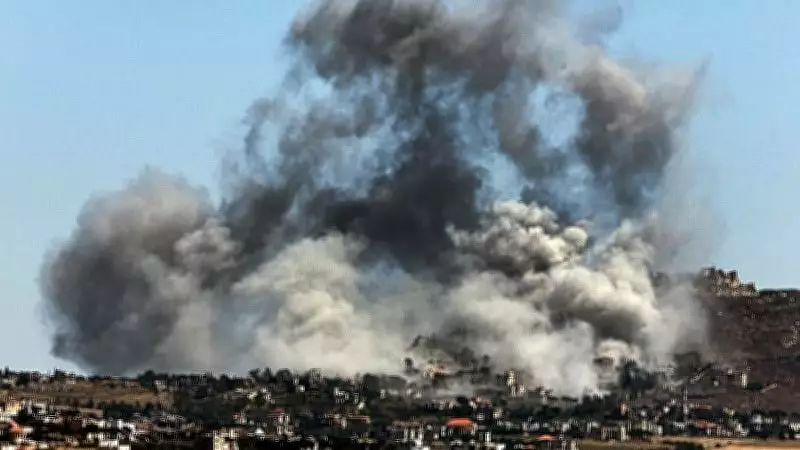
Renewed hostilities between Israel and Hezbollah have cast serious doubt on the viability of a newly proposed ceasefire in Lebanon. The latest escalation saw both sides exchanging strikes, undermining efforts to de-escalate the long-running conflict.
Hezbollah Rejects Ceasefire Terms
Hezbollah's leader, Naim Kassem, publicly rejected the ceasefire deal, stating that the terms would effectively require the Iranian-backed militant group to surrender. He emphasized that Hezbollah would not lay down its arms under the current conditions, as Israel continued its military operations.
Continued Military Actions
Israel, for its part, has maintained its military campaign against Hezbollah positions in Lebanon. The Israeli Defense Forces reported launching multiple airstrikes on what they described as terrorist infrastructure, while Hezbollah retaliated with rocket fire into northern Israel.

The violence has raised fears of a broader regional conflict, with international mediators struggling to bring both parties back to the negotiating table. The United Nations and several Western nations have called for restraint, but the prospects for peace remain dim.
Background of the Conflict
The Israel-Hezbollah conflict has deep roots, dating back to Israel's occupation of southern Lebanon and the rise of the Shia militant group in the 1980s. Previous ceasefires, including UN Resolution 1701 in 2006, have failed to bring lasting peace. The current ceasefire proposal was seen as a potential breakthrough, but the recent exchanges have dealt it a severe blow.
Analysts warn that without a credible commitment from both sides, the region could spiral into another full-scale war. The situation remains fluid, with diplomatic efforts ongoing but facing significant obstacles.