

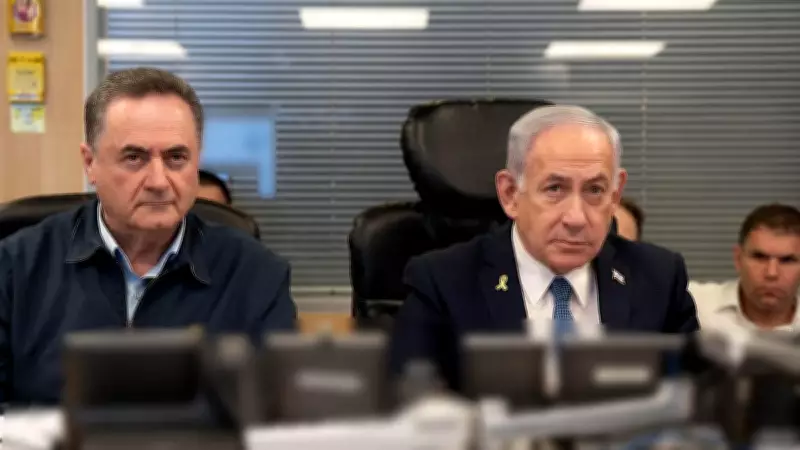
Israeli Defence Minister Israel Katz stated on Friday that Israeli soldiers operating in Lebanon are authorized to take immediate action if they feel threatened. The announcement comes after the Israeli military launched strikes in response to projectiles fired by the Iran-backed Hezbollah group at Israeli troops stationed in southern Lebanon.
Katz's Statement on Troop Authorization
Speaking to Israeli media, Katz emphasized that soldiers have full freedom to defend themselves. "Any soldier who faces a threat has the right to respond immediately, without waiting for higher command," Katz said. He added that the military is prepared for any escalation along the northern border.
Background of the Incident
The Israeli strikes on Thursday targeted Hezbollah positions in southern Lebanon, according to the Israel Defense Forces (IDF). The IDF said the strikes were a direct response to projectiles launched by Hezbollah at Israeli troops earlier in the day. No casualties were reported on either side, but tensions have been high since the outbreak of the Israel-Hamas war in October 2023.

Hezbollah's Role in the Conflict
Hezbollah, a Lebanese Shia militant group backed by Iran, has been exchanging fire with Israeli forces along the border since the war began. The group claims its attacks are in solidarity with Palestinians in Gaza. The cross-border violence has displaced tens of thousands of civilians on both sides and raised fears of a broader regional war.
International Concerns
The United Nations Interim Force in Lebanon (UNIFIL) has called for restraint from all parties. A UNIFIL spokesperson said, "We urge both sides to avoid any actions that could lead to a wider conflict." The United States and European Union have also expressed concern, urging de-escalation.
Impact on Civilians
According to the Lebanese Ministry of Public Health, at least 150 people have been killed in southern Lebanon since October 2023, mostly fighters but also civilians. In Israel, at least 20 soldiers and 10 civilians have died from Hezbollah attacks. The ongoing violence has severely impacted agriculture and tourism in border regions.
Future Outlook
Analysts suggest that Katz's statement signals a hardening of Israel's stance. Dr. Eyal Zisser, a Middle East expert at Tel Aviv University, said, "This policy change could lead to more frequent clashes, as soldiers may act more aggressively." Meanwhile, Hezbollah has vowed to continue its attacks until a ceasefire in Gaza is achieved.






