Netanyahu's Absence From Security Council Meeting Ignites Online Speculation
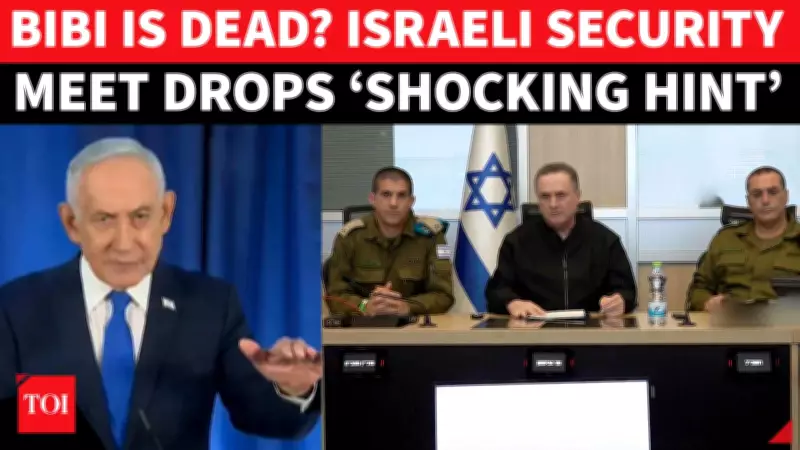
Rumors regarding the status of Israeli Prime Minister Benjamin Netanyahu have surged across digital platforms following his notable absence from a critical military council session in Tel Aviv. The high-level security gathering, convened on March 14, saw the attendance of key figures including Defence Minister Israel Katz and military official Eyal Zamir, but Netanyahu's non-appearance immediately triggered widespread conjecture and concern among observers.
Social Media Fuels Conspiracy Theories and AI Allegations
The vacuum of official information was rapidly filled by speculative narratives on social media, where users dissected previous video appearances of the Prime Minister. Some commentators pointed to perceived anomalies in footage, suggesting the possibility of AI-generated clips being used to mask his actual condition. This digital scrutiny was amplified when prominent US commentator Candace Owens publicly questioned Netanyahu's whereabouts online, adding significant momentum to the swirling rumors.
Israeli Government Issues Firm Denial Amid Regional Escalation
In response to the growing speculation, the Israeli Prime Minister's Office issued a categorical statement dismissing all claims as "fake news" and emphatically asserting that Netanyahu remains safe and secure. This official denial comes against the backdrop of dramatically escalating hostilities in the Middle East, where tensions have reached new heights following coordinated Israeli and American military strikes against Iran.

The regional conflict intensified significantly after these strikes resulted in the death of former Iranian Supreme Leader Ali Khamenei, prompting immediate and substantial retaliatory measures from Tehran. Iran has launched numerous missile and drone attacks across the region, targeting various assets and creating an atmosphere of heightened military alert. The absence of Netanyahu from such a crucial security meeting during this period of extreme volatility naturally raised questions about leadership continuity and crisis management protocols.
Broader Context of Middle Eastern Military Confrontations
The speculation about Netanyahu's status occurs within a complex web of ongoing military engagements and diplomatic maneuvers. Recent developments include:
- Iran declaring the Persian Gulf off-limits to American naval vessels
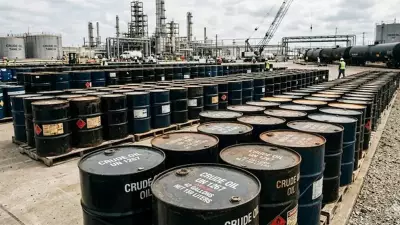
- Threats to critical oil infrastructure and transportation routes
- Hezbollah issuing warnings to Israel amid border tensions
- Expansion of conflict zones potentially affecting European security
This convergence of leadership speculation and regional warfare creates unprecedented challenges for Middle Eastern stability and international diplomacy. The situation remains fluid, with all parties maintaining high levels of military readiness while diplomatic channels attempt to prevent further escalation. The Israeli government's insistence on Netanyahu's safety represents both a reassurance to domestic audiences and a strategic communication in the face of multifaceted security threats.