Israeli PM Netanyahu Fuels Speculation Over Iranian Leader Khamenei's Status
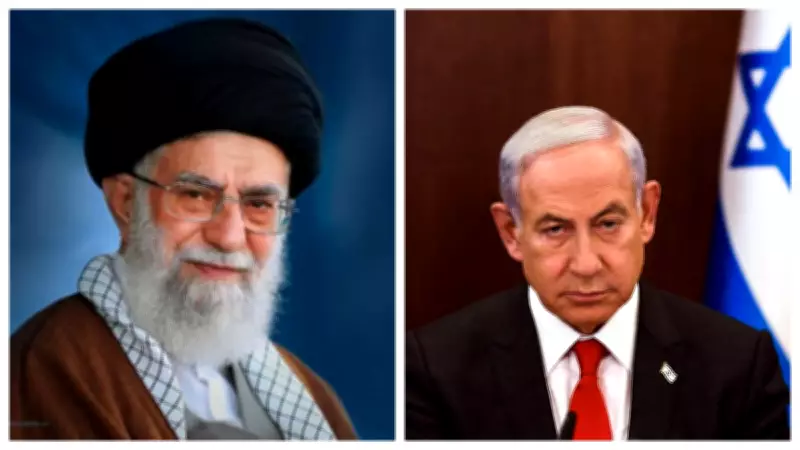
In a statement that has sent shockwaves through the international community, Israeli Prime Minister Benjamin Netanyahu has asserted there are clear signs suggesting that Iranian Supreme Leader Ayatollah Ali Khamenei might be deceased. This declaration comes at a time of escalating tensions between Israel and Iran, with both nations engaged in a protracted geopolitical and military standoff.
Netanyahu's Remarks and Their Immediate Impact
During a recent public address, Netanyahu explicitly mentioned, "There are signs that he is no longer alive," referring directly to Khamenei. The Israeli leader did not provide specific evidence or details to substantiate his claim, leaving it open to interpretation and widespread speculation. This ambiguous statement has immediately triggered a flurry of reactions from global observers, analysts, and government officials.
The timing of Netanyahu's comments is particularly significant, as they coincide with heightened regional instability and ongoing conflicts involving proxy groups. Many experts believe this could be a strategic move to undermine Iranian leadership or test the waters regarding Tehran's internal stability.

Iran's Response and the Broader Context
As of now, Iranian authorities have not issued an official response to Netanyahu's allegations. Historically, Iran has maintained a veil of secrecy around the health and whereabouts of its top leaders, including Khamenei, who is 84 years old and has faced periodic rumors about his health in the past.
The broader context of this development includes:
- Long-standing animosity between Israel and Iran, with both nations accusing each other of hostile actions.
- Recent escalations in regional conflicts, such as those involving Hezbollah and Hamas, where Iran plays a supportive role.
- Ongoing nuclear negotiations and sanctions, which add another layer of complexity to the bilateral relationship.
International Reactions and Analysis
Global powers, including the United States and European Union, are closely monitoring the situation. Analysts suggest that Netanyahu's statement could be aimed at:
- Creating psychological pressure on the Iranian regime by casting doubt on its leadership continuity.
- Influencing domestic and international perceptions ahead of potential diplomatic or military maneuvers.
- Diverting attention from other pressing issues in the region or within Israeli politics.
However, without concrete evidence, many in the international community remain skeptical, viewing this as part of the ongoing war of words between the two adversaries. The lack of verifiable information has led to calls for caution and restraint from various quarters to prevent unnecessary escalation.
Potential Implications for Regional Stability
If Khamenei were indeed deceased or incapacitated, it could lead to a significant power vacuum in Iran, potentially destabilizing the country and the wider Middle East. Iran's political structure, with the Supreme Leader holding ultimate authority, means any transition could be tumultuous and have far-reaching consequences.
Key areas that might be affected include:
- Iran's foreign policy, particularly its support for proxy groups and stance on nuclear development.
- Domestic governance, as factions within Iran vie for influence in a post-Khamenei era.
- Regional alliances, with countries like Saudi Arabia and Israel recalibrating their strategies based on Iran's internal dynamics.
For now, the world awaits further developments, with Netanyahu's remarks adding a new layer of uncertainty to an already volatile region. The situation underscores the delicate balance of power in the Middle East and the potential for words alone to influence geopolitical realities.