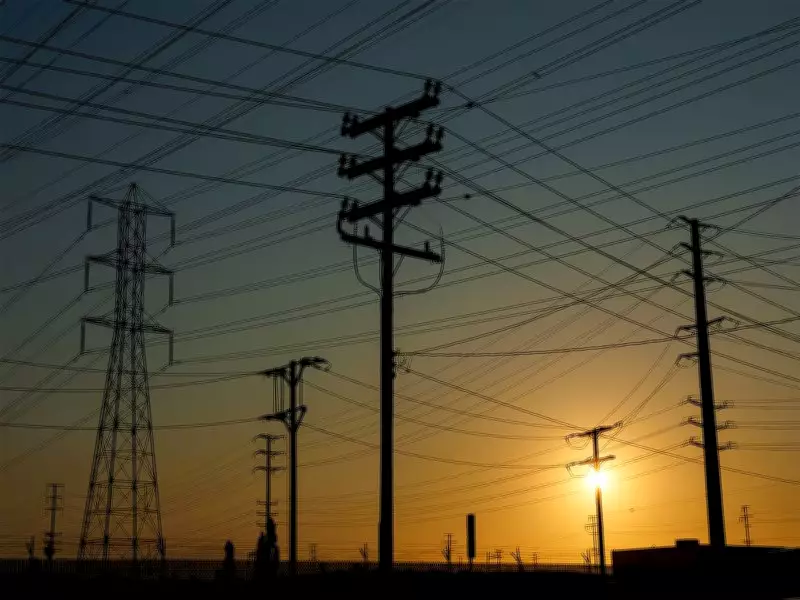
Residents of Rawalpindi and Islamabad are enduring extreme hardship as scorching temperatures, high humidity, and prolonged electricity outages disrupt daily life across the twin cities. Unannounced power cuts by the Islamabad Electric Supply Company (IESCO) have left thousands without electricity during one of the hottest days of the season, according to a report by Dawn.
Record Heat and Humidity Worsen Conditions
The Pakistan Meteorological Department recorded a temperature of 40 degrees Celsius in Islamabad, while humidity levels of 43 percent made conditions feel closer to 50 degrees Celsius, Dawn reported. Unscheduled loadshedding began and continued across multiple neighbourhoods, forcing residents to endure sleepless nights and extreme discomfort.
Citizens Frustrated with Rising Bills and Unreliable Supply
Citizens expressed frustration over paying increasingly expensive electricity bills despite receiving an unreliable power supply. Many questioned why uninterrupted electricity could not be ensured even in areas with full bill recovery. Residents also argued that despite the growing number of rooftop solar installations, authorities have failed to develop policies that could reduce dependence on the strained national grid during peak summer demand.

Widespread Disruption to Daily Life
Repeated outages severely disrupted normal life. Businesses, factories, shops, students, and hospital patients were affected, while non-functional tubewells triggered water shortages in several localities. Traffic signals also stopped working for extended periods, causing congestion on major roads.
IESCO Helpline Unresponsive, Residents Demand Transparency
Several residents complained that IESCO's helpline remained unanswered and that local officials failed to respond to calls seeking updates about the outages. Many demanded a transparent loadshedding schedule instead of prolonged and unannounced power interruptions, as highlighted by Dawn.
IESCO Cites 400 MW Shortfall
Responding to the criticism, IESCO stated that the region was facing a 400-megawatt electricity shortfall due to insufficient supply from the national grid. IESCO said electricity demand had risen sharply with the summer heat, forcing temporary load management until additional power became available. It apologised for the inconvenience but did not specify when the normal electricity supply would be restored, as reported by Dawn.