

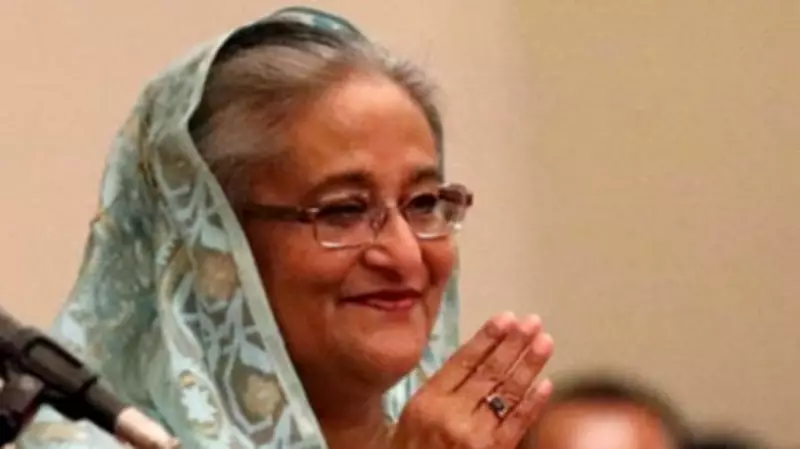
Ousted Bangladesh Prime Minister Sheikh Hasina has declared that she will return to her country before the end of this year. Speaking from New Delhi, where she has sought asylum, Hasina stated that her planned return is driven by the need to restore democracy and uphold the rights of the Bangladeshi people.
Hasina's Asylum in India and Plans for Return
Hasina, who was ousted from power earlier this year, has been living in exile in New Delhi. In her first detailed statement since leaving Bangladesh, she emphasized that her return is not for personal gain but for the nation's democratic future. “I will go back to my country this year. My return is for the rights of the people and to restore democracy,” she said.
The former prime minister did not specify a exact date or provide details on how she plans to re-enter Bangladesh, but she expressed confidence in the support of the Awami League and the Bangladeshi populace.

Background of the Ouster and Current Political Climate
Sheikh Hasina was removed from power following widespread protests and a political crisis that erupted in early 2026. The interim government, led by a military-backed administration, has been in control since her departure. Hasina’s Awami League has faced a crackdown, with many of its leaders arrested or forced underground.
According to sources close to the former prime minister, Hasina has been in touch with party loyalists and international allies to coordinate her return. The Indian government has not officially commented on her statement, but diplomatic observers note that New Delhi has traditionally maintained a cautious stance on Bangladesh's internal affairs.
Impact on Bangladesh-India Relations
Hasina’s asylum in India has strained relations between the two neighbors. The interim government in Dhaka has repeatedly demanded her extradition, accusing her of corruption and inciting violence. India has so far resisted these demands, citing humanitarian grounds.
“Her return could further escalate tensions, but it also presents an opportunity for dialogue,” said a political analyst at the Observer Research Foundation in New Delhi. Hasina’s statement is likely to provoke strong reactions from both her supporters and opponents in Bangladesh.
The Awami League has welcomed her announcement, with party spokesperson Ruhul Kabir Rizvi stating, “Sheikh Hasina is the legitimate leader of Bangladesh. Her return will pave the way for free and fair elections.” In contrast, the interim government dismissed the statement as “political posturing.”
International Reactions and Next Steps
The international community has been closely watching developments. The United Nations has called for a peaceful resolution to the political crisis. Hasina’s return, if it materializes, could alter the political landscape significantly.
As of now, no concrete plans have been disclosed, but Hasina’s declaration signals her intent to challenge the current regime. The coming months will be critical for Bangladesh's political future.






