Trump Issues Fresh Ultimatum to Iran Over Lebanon Proxies
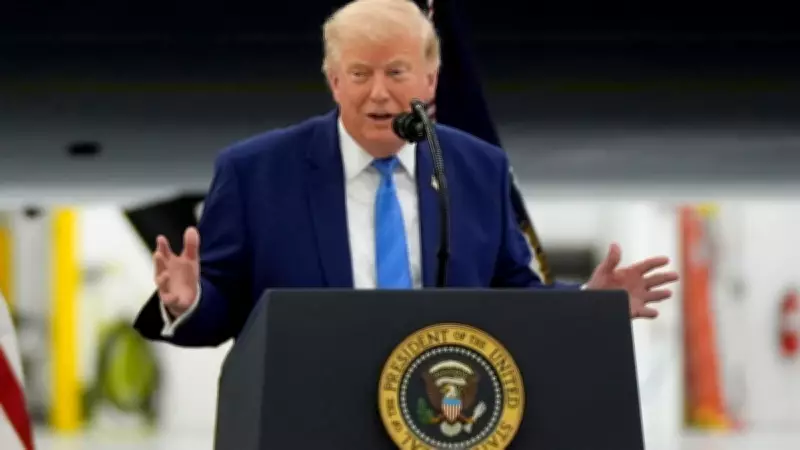
President Donald Trump has renewed his warnings to Iran, demanding that Tehran cease its support for proxy groups operating in Lebanon or face a powerful military retaliation. The threat was made during a press conference at the White House on Saturday, where Trump stated, "Iran must stop its proxies in Lebanon immediately, or we will hit them very hard again." The statement marks the latest escalation in rhetoric between the two nations, which have been locked in a tense standoff over Iran's regional influence.
Details of the Threat
Trump's warning specifically targeted Iranian-backed groups such as Hezbollah, which holds significant sway in Lebanon's political and military landscape. The president emphasized that the United States would not tolerate further attacks on American interests or allies in the region. "We have the strongest military in the world, and we will use it if necessary," Trump added, without specifying what actions would trigger a US response. The remarks come amid heightened tensions following a series of incidents involving Iranian proxies in the Middle East.
Impact on Regional Stability
The threat has raised concerns about potential instability in Lebanon, a country already grappling with economic collapse and political paralysis. Analysts warn that any US military action could destabilize the region further, drawing in other actors such as Israel and Saudi Arabia. According to a report from the Center for Strategic and International Studies, Iran has invested heavily in proxy networks across the Middle East, with Hezbollah alone possessing an estimated 150,000 rockets and missiles capable of striking deep into Israeli territory.

International Reactions
The international community has reacted with caution to Trump's latest remarks. The European Union called for de-escalation, urging both sides to engage in dialogue. Meanwhile, Iran's Foreign Ministry dismissed the threat as "psychological warfare" and reiterated Tehran's right to support allies in the region. "Iran will not bow to pressure," a spokesperson said, according to state media. The United Nations has also expressed concern, with Secretary-General António Guterres calling for restraint to avoid a broader conflict.
Historical Context
This is not the first time Trump has threatened Iran over its proxy activities. In 2020, the US assassinated Iranian General Qassem Soleimani, citing his role in orchestrating attacks via proxies. Since then, tensions have remained high, with Iran continuing to expand its influence in Lebanon, Syria, and Yemen. The Biden administration had previously adopted a more diplomatic approach, but Trump's return to the White House in 2024 has signaled a return to the maximum pressure campaign.
What's Next?
As of now, there has been no immediate response from Hezbollah or other Iranian-backed groups in Lebanon. However, security analysts predict that the situation could escalate quickly if any incidents occur. The US has bolstered its military presence in the Persian Gulf, with the aircraft carrier USS Dwight D. Eisenhower and its strike group remaining on standby. The coming weeks will be critical in determining whether Trump's ultimatum leads to a diplomatic resolution or further confrontation.