Turkey Transfers S-400 Systems to Gulf Nation
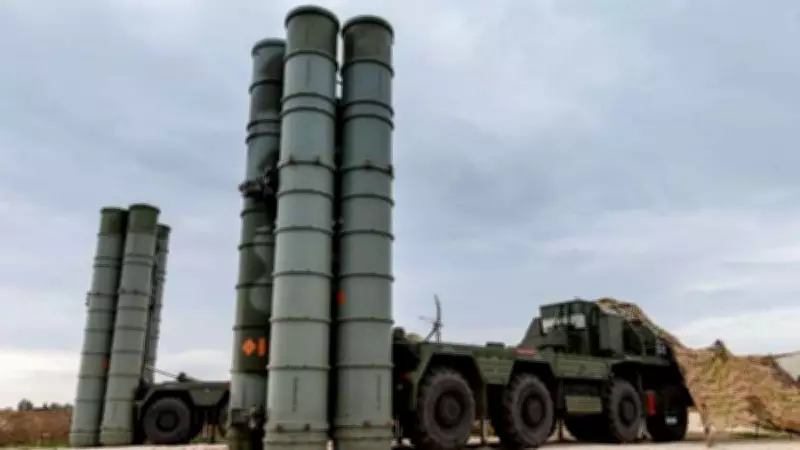
Turkey has sold its Russian-made S-400 air defence systems to a Gulf nation, a move that comes after the United States signalled it might approve the sale of F-35 fighter jets to Turkey, according to a report released on July 10, 2026.
The sale marks a significant shift in Turkey's defence posture, as Ankara had previously faced US sanctions for acquiring the S-400 system from Russia in 2019. The transfer to an unnamed Gulf country is seen as an attempt to ease tensions with Washington and pave the way for the F-35 deal.
Details of the Transaction
The report, citing sources familiar with the matter, states that the S-400 systems were sold to a Gulf nation for an undisclosed amount. The deal includes the transfer of the entire S-400 battery that Turkey had originally purchased from Russia for approximately $2.5 billion.

Turkey's defence ministry declined to comment on the specifics, but a senior official confirmed that "the systems have been relocated to a friendly nation as part of a strategic agreement." The official added that the move aligns with Turkey's goal of modernising its air defence capabilities.
US Signals on F-35 Sales
The sale of the S-400 to a Gulf nation follows recent signals from the US administration that it might consider selling F-35 Lightning II jets to Turkey. The US had removed Turkey from the F-35 programme in 2019 after Ankara acquired the S-400, citing security risks as the system could be used to gather intelligence on the stealth fighter.
According to the report, US officials have indicated that if Turkey no longer operates the S-400, the path could be cleared for F-35 sales. A US State Department spokesperson said, "We are aware of reports regarding the S-400 systems. We continue to monitor the situation and have no further comment at this time."
Implications for NATO and Regional Security
The transfer of the S-400 to a Gulf nation has raised questions about the proliferation of Russian defence technology in the Middle East. NATO allies have expressed concern that the system could be used against US-led coalition forces in the region.
Turkey, a NATO member, has defended its decision, stating that the sale was conducted in accordance with international agreements. "Turkey remains committed to NATO obligations," the Turkish defence official said. "This transaction does not compromise our alliance commitments."
The Gulf nation that received the S-400 has not been officially identified, but analysts speculate it could be Qatar or Saudi Arabia, both of which have sought advanced air defence systems amid regional tensions with Iran.
Russia's Reaction
Russia has reportedly expressed displeasure over the resale of its sensitive defence technology without its consent. A Kremlin spokesperson said, "We are looking into the matter and expect all parties to adhere to contractual obligations." Russia had previously warned against transferring the S-400 to third parties without approval.
The sale could strain Turkey-Russia relations, which have been cooperative in recent years on issues such as Syria and energy. However, Turkish President Recep Tayyip Erdogan has emphasised Ankara's sovereign right to manage its defence assets.
Next Steps for Turkey's Defence Modernisation
With the S-400 issue potentially resolved, Turkey is expected to accelerate its efforts to acquire F-35 jets. The Turkish Air Force has been operating older F-16s and has sought to upgrade its fleet. The US Congress would need to approve any F-35 sale, and the process could take months.
Turkey is also developing its domestic air defence system, the Siper, which is expected to be operational by 2028. The sale of the S-400 provides Ankara with financial resources to invest in indigenous projects.
The development underscores the complex interplay of defence deals, alliances, and regional dynamics, with Turkey navigating between Russian and US interests.