

Attack on Tanker Threatens Fragile US-Iran Peace Efforts
A peace agreement between the United States and Iran is teetering on the brink of collapse following a strike on a commercial vessel near the Strait of Hormuz. The attack, which occurred on June 26, 2026, has heightened fears of a renewed confrontation in the strategic waterway, through which about 20% of the world's oil passes.
According to the US Central Command, the vessel was hit by an unmanned aerial vehicle (UAV) while transiting the strait. Initial reports indicate no casualties, but the ship sustained significant damage. US officials have blamed Iran for the attack, citing intelligence that points to Iranian-backed militia groups operating in the area.
Details of the Incident
The attack took place in the early hours of June 26, when a commercial tanker flying the flag of the Marshall Islands was struck by a drone. The vessel was on its way to Fujairah in the United Arab Emirates. The US Navy's Fifth Fleet responded to the distress call and provided assistance.

Iran has denied any involvement, with its foreign ministry calling the allegations "baseless and provocative." However, the US has presented evidence, including drone debris recovered from the scene, which they claim matches Iranian-made models. This incident marks the first major escalation in the region since the US and Iran began indirect talks in Oman in April 2026.
Impact on the Peace Agreement
The peace agreement, which was in its final stages, aimed to curb Iran's nuclear program and lift sanctions. The attack has thrown the negotiations into disarray. US Secretary of State Antony Blinken stated, "This act of aggression cannot be ignored. We are reassessing our position in the talks."
Iranian President Ebrahim Raisi, in a televised address, warned that any US military response would be met with "severe consequences." The attack has also drawn condemnation from the United Nations, with Secretary-General António Guterres urging both sides to exercise restraint.
Global Economic Ramifications
The Strait of Hormuz is a critical chokepoint for global oil supplies. Following the attack, oil prices surged by 3%, with Brent crude reaching $85 per barrel. Shipping companies have begun to reroute vessels, potentially increasing transportation costs and delays.
Market analysts warn that a prolonged disruption could lead to higher fuel prices worldwide, impacting economies already grappling with inflation. The International Energy Agency has stated it is monitoring the situation closely and stands ready to release emergency oil reserves if necessary.
Regional Reactions and Future Outlook
Gulf states, including Saudi Arabia and the UAE, have called for de-escalation. Saudi Foreign Minister Prince Faisal bin Farhan said, "We urge all parties to return to diplomacy and avoid actions that threaten regional stability."
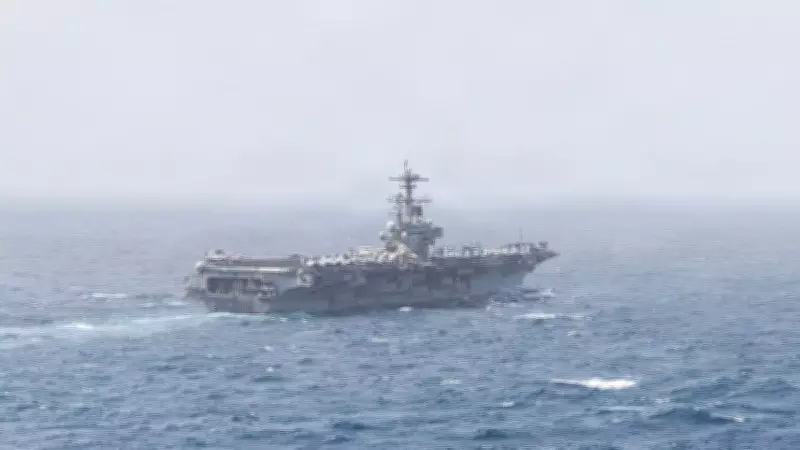
Meanwhile, Iran's allies, such as Hezbollah and the Houthi rebels in Yemen, have praised the attack as a "legitimate act of resistance." The US has reinforced its naval presence in the Gulf, deploying the USS Dwight D. Eisenhower carrier strike group.
The future of the peace agreement now hangs in the balance. Diplomatic sources indicate that the US may impose new sanctions on Iran if the attack is confirmed to be linked to Tehran. However, some analysts believe both sides have an incentive to salvage the deal to avoid a full-scale conflict.
As the world watches, the incident underscores the fragility of peace in the Middle East and the high stakes involved in the US-Iran negotiations.






