

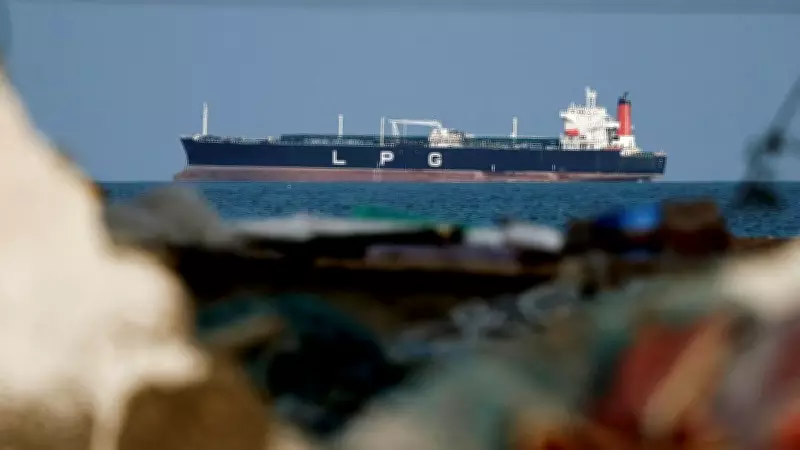
Bahrain Champions UN-Backed Initiative to Safeguard Strait of Hormuz Shipping Lanes
In a significant diplomatic move amid ongoing regional tensions, Bahrain has spearheaded a proposal at the United Nations Security Council aimed at ensuring the protection of vital shipping routes through the Strait of Hormuz. This strategic waterway, a critical chokepoint for global oil and gas shipments, has been a focal point of instability in West Asia, prompting urgent international action.
Gulf Arab and US Support Bolsters Bahrain's Draft Resolution
According to diplomatic sources, the draft text put forward by Bahrain has garnered substantial backing from other Gulf Arab states as well as the United States. This coalition underscores a unified regional and international concern over the security of maritime commerce in the area. The initiative reflects growing apprehensions about potential disruptions that could impact global energy supplies and economic stability.
The proposed resolution seeks to establish a framework for coordinated international efforts to monitor and secure the Strait of Hormuz, emphasizing the need for collective action to prevent conflicts and ensure safe passage for vessels. However, diplomats have expressed skepticism regarding its prospects for approval within the Security Council, citing potential political hurdles and divergent interests among member states.

France Introduces Competing Text, Highlighting Diplomatic Divisions
Complicating the diplomatic landscape, France has tabled a rival text, signaling differing approaches to addressing the security challenges in the region. This development points to underlying tensions and varied strategic priorities among key global players, which could further impede consensus-building efforts. The French proposal is expected to introduce alternative measures or perspectives on how best to manage the situation, potentially leading to protracted negotiations.
The involvement of multiple nations in drafting competing resolutions illustrates the complex geopolitical dynamics at play, with each country advocating for solutions aligned with its own national interests and regional alliances. As discussions unfold, the international community watches closely, aware of the high stakes involved in maintaining open and secure maritime corridors.
Challenges Ahead in the UN Security Council
Despite the strong backing from Gulf Arab states and the United States, the Bahrain-led draft faces an uphill battle in the Security Council. Historical precedents and current political realities suggest that achieving the necessary unanimity or majority support may be difficult, given the council's composition and the veto power held by permanent members. Diplomatic sources indicate that while there is broad recognition of the issue's importance, reaching a consensus on specific actions remains a formidable challenge.
In summary, Bahrain's push for UN-backed action to protect shipping in the Strait of Hormuz represents a critical effort to address regional security concerns, but it is met with both support and opposition on the international stage. The outcome of these diplomatic maneuvers will have significant implications for global trade and stability in West Asia.

