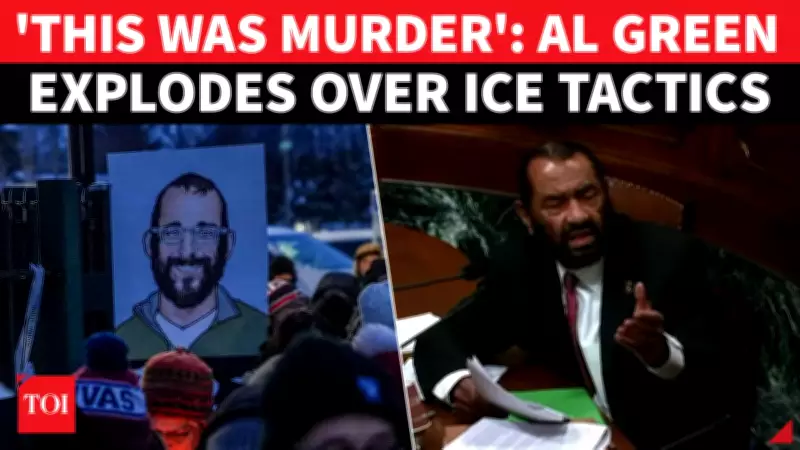
Congressman Al Green Demands Legal Action Against DHS Secretary Over Fatal ICE Incidents
In a powerful address on the House floor, Representative Al Green of Texas has launched a scathing condemnation of U.S. Immigration and Customs Enforcement (ICE) tactics, specifically targeting the recent deaths of two individuals in Minneapolis. Green branded the killings of Renee Good and Alex Pretti as "murder" and called for the immediate prosecution of Department of Homeland Security (DHS) Secretary Kristi Noem and other officials linked to the federal response.
Nationwide Outrage and Calls for Transparency
The tragic deaths of Good and Pretti, which occurred at the hands of ICE and Border Patrol agents, have ignited a firestorm of nationwide outrage. This incident has sparked widespread protests across the United States, with citizens and advocacy groups demanding greater transparency and accountability from federal immigration authorities. The public outcry underscores growing concerns over the use of force and operational methods within ICE, highlighting a critical need for reform and oversight.
Details of the Minneapolis Incident
While specific details surrounding the circumstances of the deaths remain under investigation, it is reported that the encounter involved ICE and Border Patrol agents during an enforcement operation in Minneapolis. The loss of Renee Good and Alex Pretti has drawn sharp criticism from lawmakers and human rights organizations, who argue that such fatalities are indicative of systemic issues within immigration enforcement agencies. Green's forceful rhetoric on the House floor amplifies these concerns, pushing for a thorough review of policies and practices.

Political and Legal Ramifications
Representative Al Green's call for prosecution places significant pressure on DHS Secretary Kristi Noem and the broader Biden administration to address allegations of misconduct. This development could have far-reaching political and legal implications, potentially leading to congressional hearings, investigations, and reforms in immigration enforcement protocols. The demand for accountability resonates with ongoing debates about border security and human rights, making it a pivotal moment in U.S. domestic policy.
Broader Context and Public Response
The incident in Minneapolis is not isolated, as similar cases have raised questions about ICE's conduct in recent years. Public response has been vocal, with protests emphasizing the need for justice and systemic change. As the story continues to unfold, it remains a focal point for discussions on governance, law enforcement, and civil liberties in America.