For almost a decade, a quiet act of generosity has been unfolding across rural Mississippi. Somewhere, an anonymous donor has been steadily helping wipe out medical debt for people they have never met, with no public recognition, fundraising campaign, or explanation. Over nine years, that support has led to the cancellation of roughly $7 million worth of unpaid medical bills, offering thousands of residents a financial fresh start.
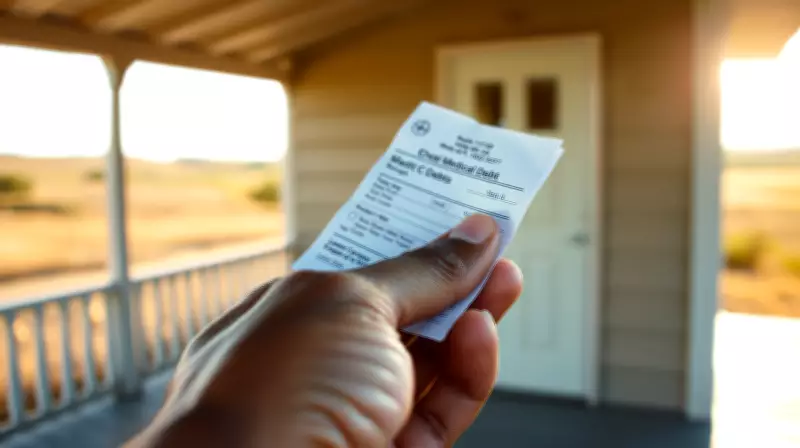
Many of those affected had no idea help was coming. Instead, a letter simply arrived in the post. No forms to complete. No applications to submit. Just the unexpected news that a debt hanging over their lives had disappeared.
The effort has been carried out through Undue Medical Debt, a non-profit organization that purchases medical debt from hospitals and debt collectors before abolishing it. While the sums involved are substantial, the mystery surrounding the donor may be what makes the story so striking. In an age when philanthropy often comes with naming rights and publicity campaigns, this benefactor has remained entirely out of view.

And yet, for families struggling to balance healthcare costs with everyday expenses, the impact has been impossible to miss.
How an Anonymous Donor Erased $7 Million in Medical Debt Across Rural Mississippi
Medical debt in the United States is often sold on secondary markets for a fraction of its original value. Undue Medical Debt takes advantage of that system by buying qualifying debts at heavily discounted rates and then cancelling them rather than pursuing repayment.
The economics can be startling. According to the organization, every dollar donated can relieve around $100 of medical debt because of the low prices at which debt portfolios are traded. Eligibility generally focuses on people earning less than four times the federal poverty level or households whose medical debt exceeds 5% of annual income.
For recipients, the process is intentionally uncomplicated. "It is really a surprise for most people," Ruth Landé, Vice President of Provider Relations at Undue Medical Debt, told Mississippi Public Broadcasting. "They get a letter in the mail telling them their debt is gone, no application, no process, no strings attached."
The anonymous Mississippi donor is believed to have begun supporting the program around nine years ago, concentrating efforts on rural communities where healthcare access and financial hardship often intersect. Over time, those contributions quietly accumulated into millions of dollars in erased debt.
The Deeper Problem Behind Medical Debts
The relief can be transformative, but those working in the field are careful not to present debt forgiveness as a cure-all. Medical debt is often the symptom of a larger issue: healthcare that remains financially out of reach for many Americans, even when they have insurance.
Landé described debt relief as necessary but ultimately limited in scope. "It is like putting on a Band-Aid, which is useful and necessary, but we still need to stop the bleeding," she said. "The real issue is lack of affordable, comprehensive health insurance."
That concern is reflected in wider research. The Consumer Financial Protection Bureau has repeatedly found that medical debt disproportionately affects lower-income households, families with children, and people managing long-term health conditions. In regions across the Gulf South, including Mississippi, those pressures can be especially acute. A serious illness, an unexpected operation, or even a brief hospital stay can leave families facing bills that linger long after recovery. Debt relief may remove the burden, but it does not change the circumstances that created it.
A Mystery Goodwill That Has Lasted Nearly a Decade
The identity of the donor remains unknown, and there is little indication that it will change anytime soon. That anonymity sets the story apart. Large charitable gifts are often accompanied by public announcements, gala events, or plaques bearing the donor's name. This case is different. The focus has stayed squarely on the people receiving help.

For those recipients, the effects reach far beyond a number on a balance sheet. Financial researchers and healthcare advocates have long noted the emotional toll medical debt can take. Unpaid bills can affect credit scores, delay major life decisions, and create a constant sense of uncertainty. Removing that burden can feel less like an accounting exercise and more like reclaiming breathing space.
One recipient whose debt was cancelled through a separate relief program described the experience simply: "It was like a weight lifted off me. I felt like I was able to breathe."
Nine years after the first donations reportedly began, Mississippi's mystery benefactor remains exactly that, a mystery. What is known is that millions of dollars in medical debt have vanished, thousands of people have been offered a second chance, and one of the most remarkable acts of anonymous philanthropy in the American South continues to unfold largely out of public view.