

Chinese Researcher Admits to Smuggling Bacterial DNA into United States
A Chinese national conducting research in the United States has entered a guilty plea for illegally importing Escherichia coli (E. coli) bacterial DNA into the country. The case highlights growing concerns about the smuggling of biological materials and potential exploitation of research programs.
Details of the Smuggling Operation
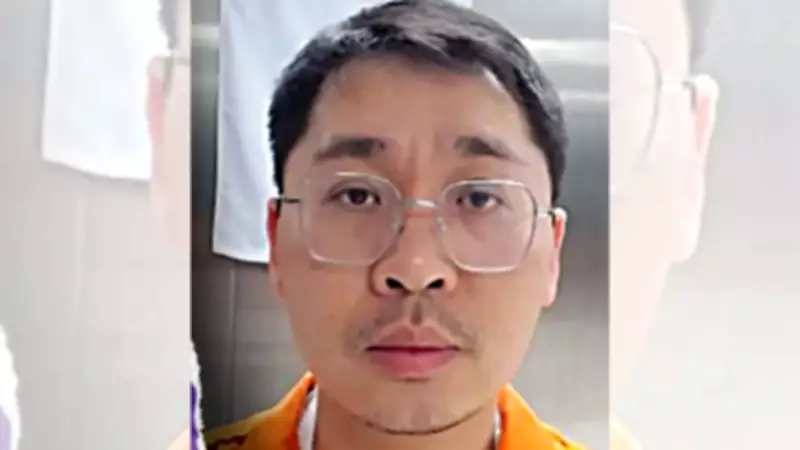
The defendant, 32-year-old Youhuang Xiang, a former postdoctoral researcher on a J-1 visa at Indiana University, was sentenced to more than four months in federal prison. Xiang admitted to concealing the bacterial DNA in a shipment sent from China, which arrived at his Bloomington, Indiana, residence in March 2024.
According to the U.S. Attorney's office, the package was falsely declared as women's underwear to evade detection by customs authorities. Xiang later confessed that the shipment contained DNA of E. coli, a bacterium commonly found in intestines but capable of causing severe illness if harmful strains are mishandled.

Investigation and Arrest
The investigation began last year when the FBI started examining suspicious shipments from China to individuals associated with Indiana University. Authorities grew suspicious of a parcel sent by a science and technology company but declared as clothing.
In November 2025, U.S. Customs and Border Protection officers intercepted Xiang at Chicago O'Hare International Airport upon his return from the United Kingdom. Initially denying knowledge of the package, Xiang eventually admitted to intentionally hiding the biological material. He also failed to disclose his membership in the Chinese Communist Party to U.S. immigration authorities.
Official Statements and Warnings
FBI officials, including Director Kash Patel, emphasized that smuggling biological materials without proper safeguards poses serious risks. Patel stated this case exemplifies how individuals might exploit U.S. visa privileges to engage in illegal activities within the nation's institutions.
U.S. Department of Agriculture Inspector General John Walk remarked, "This Chinese Communist Party member exploited a federally funded research grant... to smuggle dangerous biological material into the United States."
Broader Context of Similar Cases
This incident is part of a wider pattern of cases involving foreign researchers attempting to smuggle biological materials into the U.S.:
- In recent months, U.S. authorities have charged several foreign researchers, including Chinese nationals linked to a University of Michigan laboratory, with similar smuggling attempts.
- In a separate case, a Russian-born Harvard researcher was detained in early 2025 for bringing frog embryos into the U.S. without proper permits.
Legal Consequences and Deportation
Following his prison term, Xiang has been ordered to leave the United States. He will also face a financial fine and a period of supervised release. The case underscores the legal repercussions for violating U.S. laws regarding the importation of biological materials and immigration disclosures.
The sentencing serves as a stark reminder of the ongoing vigilance required to prevent the illegal transfer of potentially hazardous biological substances across international borders.

