

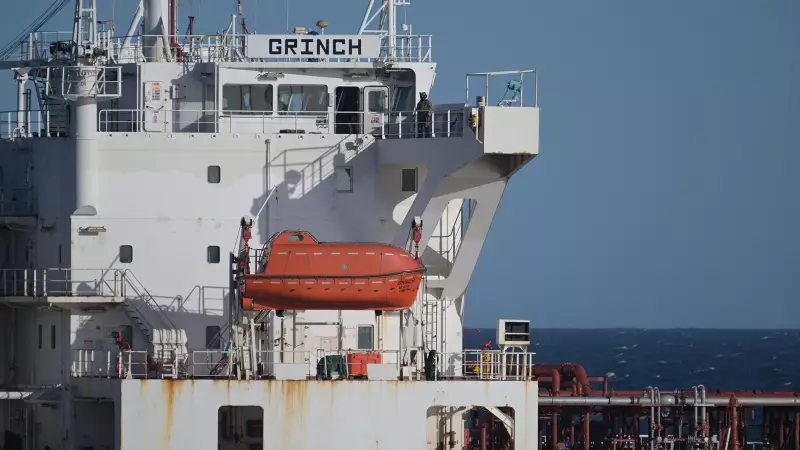
France Detains Indian Captain of Suspected Shadow Fleet Tanker
In a significant maritime enforcement action, French authorities have detained an Indian captain of a tanker that is suspected to be part of a shadow fleet operating in the Mediterranean Sea. This incident underscores the ongoing global efforts to clamp down on vessels that may be evading international sanctions and regulations.
Details of the Detention
The detention occurred when French maritime officials intercepted the tanker, which was flying a flag of convenience, during a routine inspection in the Mediterranean waters. The Indian captain, whose identity has not been disclosed, is now under investigation for potential violations related to the vessel's operations and compliance with international maritime laws.
Shadow fleets refer to vessels that operate outside of standard regulatory frameworks, often used to transport sanctioned goods such as oil from countries under international restrictions. These fleets pose significant risks to global security and environmental safety due to their lack of transparency and adherence to safety protocols.

Global Context and Implications
This detention is part of a broader crackdown by Western nations, including France, on shadow fleets that have proliferated in response to sanctions imposed on countries like Russia and Iran. By targeting such vessels, authorities aim to disrupt illicit trade networks and enforce compliance with international sanctions regimes.
The involvement of an Indian captain highlights the diverse nationalities often employed in these operations, raising concerns about the role of seafarers from countries like India in the global shipping industry. It also points to the need for enhanced scrutiny and cooperation among nations to prevent the misuse of maritime routes for unlawful activities.
Response from Indian Authorities
While there has been no immediate official statement from the Indian government, maritime experts suggest that such incidents could prompt India to review its oversight of seafarers and vessels registered under its jurisdiction. India, as a major supplier of maritime personnel, may need to strengthen its regulatory frameworks to ensure that its nationals are not inadvertently involved in shadow fleet operations.
This case serves as a reminder of the complex challenges in policing international waters and the importance of collaborative efforts to maintain maritime security and uphold global norms.






