High-Stakes Diplomatic Engagement in Islamabad
In a significant development for Middle Eastern geopolitics, representatives from the Islamic Republic of Iran and the United States of America have convened for a series of high-stakes talks in Islamabad, Pakistan. This diplomatic engagement, occurring against a backdrop of heightened regional tensions, places a sharp focus on the complex interplay between American foreign policy priorities and its longstanding alliance with Israel.
Agenda: Regional Security and the Gaza Conflict
The primary agenda for these negotiations is reported to be multifaceted, centering on urgent regional security concerns. A dominant point of discussion is the ongoing and devastating conflict between Israel and Hamas in the Gaza Strip. Both Tehran and Washington hold starkly opposing positions on the war, with Iran backing Palestinian factions and the US providing steadfast military and diplomatic support to Israel. The talks aim to explore potential pathways to de-escalation and address the humanitarian crisis unfolding in the region.
Additional critical items on the table include the status of Iran's nuclear program and the enforcement of international sanctions. The discussions are seen as a crucial test for diplomatic channels that have been largely frozen or adversarial in recent years.

The "America First" Doctrine Under Scrutiny
These negotiations bring into sharp relief the tensions within US foreign policy. The "America First" doctrine, which emphasizes unilateral national interests, is being directly tested against the nation's deep-seated strategic and moral commitment to Israel's security. Analysts suggest that the Biden administration is walking a tightrope, attempting to engage with Iran on pragmatic security issues while simultaneously managing domestic and international pressure to uphold its alliance with Jerusalem.
The outcome of these talks could signal a shift in how Washington balances its stated policy of putting American interests first with the realities of its indispensable partnership in the Middle East.
Pakistan's Role as Mediator
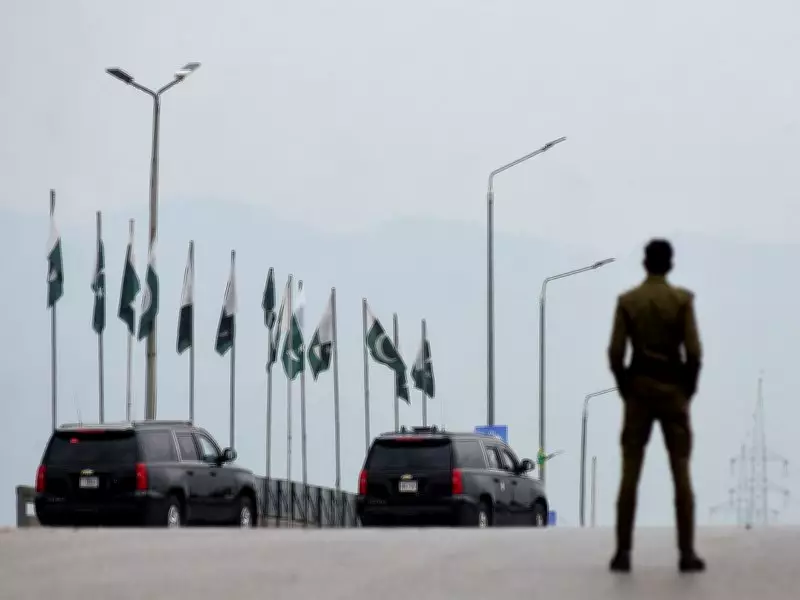
The choice of Pakistan as the host nation is strategically significant. Islamabad maintains diplomatic relations with both Washington and Tehran and has historically positioned itself as a potential mediator in regional disputes. Pakistan's involvement provides a neutral ground, facilitating dialogue that might be more difficult to initiate on either party's home soil. This role underscores Pakistan's ongoing efforts to assert its diplomatic relevance on the global stage amidst its own economic and political challenges.
Potential Implications and Global Watch
The international community is closely monitoring these discussions. A successful dialogue could lead to:
- Reduced Regional Tensions: A potential cooling of proxy conflicts and a framework for future engagement.
- Progress on Nuclear Issues: Possible steps towards reviving or renegotiating aspects of the dormant nuclear deal.
- Humanitarian Coordination: Improved channels for delivering aid to conflict zones like Gaza.
Conversely, a breakdown in talks could exacerbate existing hostilities, potentially leading to a broader regional confrontation. The stakes are exceptionally high, with the outcomes likely to influence Middle Eastern politics and US foreign policy for years to come. The world watches as two long-standing adversaries sit across the table in Islamabad, with the shadow of the Israel-Gaza war looming large over every discussion point.