

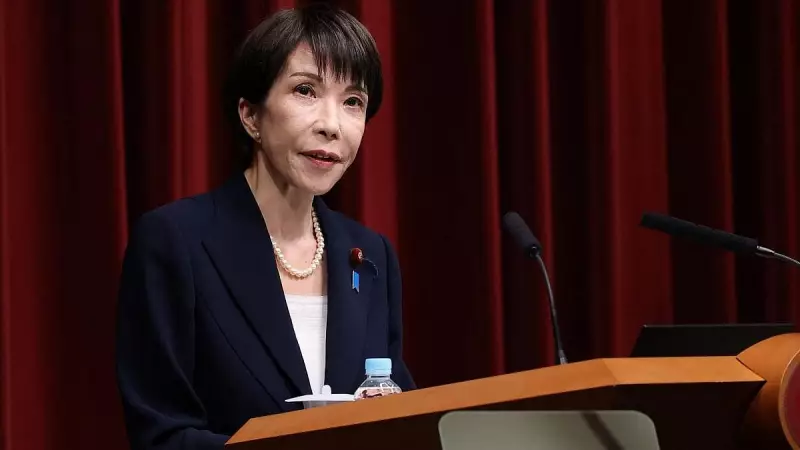
Japan's Prime Minister Kishida Announces Snap Election to Bolster Authority
In a bold political move, Japanese Prime Minister Fumio Kishida has called for a snap election. This decision aims to expand his power and strengthen the ruling coalition's mandate. Kishida seeks to consolidate his position amid ongoing challenges in Japan's political landscape.
Strategic Timing for the Election
The snap election comes at a critical juncture for Kishida's administration. He hopes to capitalize on recent policy successes and public support. By calling the election now, Kishida intends to secure a fresh mandate from voters. This could help him push forward with key legislative agendas.
Observers note that the timing is strategic. It allows Kishida to address pressing issues like economic reforms and national security. The election will test the public's confidence in his leadership. A strong result would empower him to implement more ambitious policies.

Expanding the Ruling Coalition's Influence
Kishida's primary goal is to expand the power of his ruling coalition. He leads the Liberal Democratic Party, which currently holds a majority. The snap election offers a chance to increase this majority. A larger coalition would provide more stability and legislative leverage.
This move could also weaken opposition parties. By securing more seats, Kishida can reduce political gridlock. It would enable smoother passage of bills in the Diet, Japan's parliament. The expansion of power is seen as crucial for long-term governance.
Challenges and Public Response
However, the snap election is not without risks. Kishida faces challenges such as economic uncertainty and demographic shifts. Public opinion remains divided on some of his policies. The election outcome will depend heavily on voter turnout and regional support.
Early reactions suggest mixed feelings among citizens. Some applaud Kishida's proactive approach. Others question the necessity of an early election. The campaign period will be closely watched for shifts in public sentiment.
Implications for Japan's Future
This election could shape Japan's direction for years to come. A successful outcome for Kishida might lead to more assertive foreign and domestic policies. It could also influence Japan's role in global affairs, particularly in Asia-Pacific relations.
If Kishida secures an expanded mandate, he may pursue reforms in areas like digital transformation and defense. The results will be pivotal for Japan's political stability and economic recovery post-pandemic.
In summary, Prime Minister Kishida's call for a snap election is a calculated effort to strengthen his political hand. It reflects his ambition to lead Japan through complex times with a reinforced mandate.






