The JD Vance Factor: Why the US Vice President Was Chosen as Key Negotiator for Ceasefire Talks with Iran
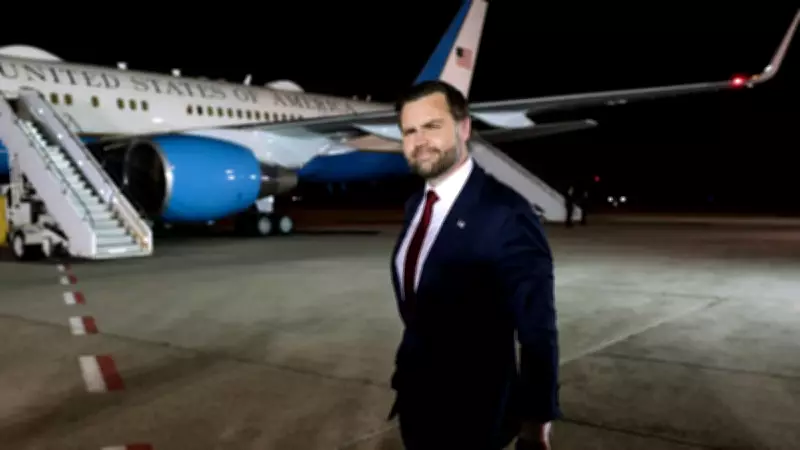
The selection of US Vice President JD Vance as the primary negotiator in high-stakes ceasefire discussions with Iran has become a focal point of international diplomacy. This strategic move by the US administration underscores a calculated approach to resolving tensions in the Middle East, leveraging Vance's unique blend of political acumen, military insight, and personal credibility.
Strategic Background and Military Experience
Vice President Vance's background as a former Marine and his service in Iraq provide him with firsthand understanding of regional conflicts and military dynamics. This experience is crucial in negotiations with Iran, where security concerns and historical grievances play a significant role. His ability to relate to military stakeholders on both sides adds a layer of trust and practicality to the dialogue.
Political Influence and Bipartisan Appeal
JD Vance has cultivated a reputation as a bridge-builder within US politics, appealing to both conservative and moderate factions. This bipartisan appeal enhances his effectiveness as a negotiator, as it signals a unified American stance to Iranian counterparts. His role allows him to navigate domestic political pressures while maintaining a firm yet flexible negotiating position internationally.

Diplomatic Skills and Personal Credibility
Beyond his political and military credentials, Vance's personal story of rising from humble beginnings to national leadership resonates globally. This narrative fosters a human connection in diplomatic settings, potentially easing tensions and fostering mutual respect. His direct communication style and reputation for honesty are seen as assets in complex negotiations where transparency is paramount.
Implications for US-Iran Relations and Global Stability
The choice of Vance as lead negotiator reflects a broader US strategy to de-escalate conflicts through high-level engagement. Success in these talks could pave the way for improved US-Iran relations, reduced regional instability, and enhanced global security. Conversely, challenges may highlight the deep-seated issues that require sustained diplomatic efforts beyond any single individual's influence.
As the world watches, the JD Vance factor in Iran ceasefire talks exemplifies how personal attributes and professional expertise converge in modern diplomacy. His appointment is not merely a political decision but a strategic gambit aimed at achieving lasting peace through nuanced negotiation.