

Kashmiri MBBS Student Chooses to Remain in Iran During Conflict, Calling It His 'Second Home'
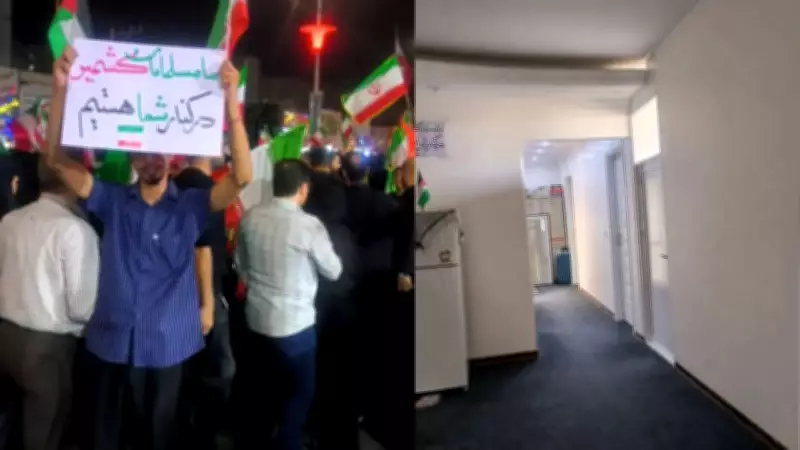
In a remarkable display of solidarity, a 22-year-old MBBS student from Kashmir has decided to stay back in Iran even as nearly all Indian medical students have returned home following the outbreak of war. Asif Gulzar, hailing from Baramulla in Jammu and Kashmir, is now living alone in a nine-storey hostel in Ahvaz, asserting that he could not abandon the country "when it is in distress."
The Lone Indian Student in Iran
Gulzar, a third-semester MBBS student at Ahvaz Jundishapur University of Medical Sciences in Khuzestan province, is likely the last among the 2,000 Indian medical students who were in Iran and have returned to India in phases since the war began on February 28. After the remaining 145 students also departed, he now resides by himself in the university hostel, yet reports that life around him remains stable with essential supplies available despite the ongoing conflict.
"I am here by choice and I am safe," Gulzar told The Times of India. "I realised I cannot leave Iran when it is in distress and under attack. My family supports my decision." His family's backing has been crucial in his resolve to stay, highlighting a shared sense of moral responsibility.

Moral Reasoning and Inspiration
Explaining his decision to remain while others left, Gulzar emphasized that it would be unfair to depart when Iran, which he describes as his second home, is facing difficult times. "When innocent people are suffering, I cannot choose the easy option and leave only for my own comfort," he said, adding that staying silent in the face of such suffering would haunt him for life.
Inspired by revolutionaries like Bhagat Singh, Gulzar has drawn from the idea that silence in the face of oppression amounts to complicity. With classes currently suspended, he has been spending his time reading works by thinkers, philosophers, and revolutionaries, while also writing poetry to capture the atmosphere around him.
Logistical Challenges and Support
Despite his commitment, Gulzar faces practical challenges. Internet connectivity in Iran is very poor, and he relies on a paid virtual private network (VPN) borrowed from a local Iranian friend to stay in touch with his family. This connection is vital for maintaining communication and ensuring his safety updates reach home.
Nasir Khuehami, national convenor of the Jammu & Kashmir Students Association, which assisted in facilitating the return of Indian students, commented on the situation. "If someone has chosen not to return for personal reasons, there is little we can do in such a case," he said, acknowledging the personal nature of Gulzar's decision.
A Symbol of Humanitarianism
Gulzar's stance serves as a powerful symbol of humanitarianism and cross-cultural empathy. His choice to stay in Iran, driven by moral conviction rather than necessity, underscores the deep bonds he has formed with the country and its people. As conflicts continue to displace many, his story highlights the importance of standing in solidarity during times of crisis.
This decision not only reflects his personal values but also resonates with broader themes of global citizenship and ethical responsibility. In an era where conflicts often lead to mass evacuations, Gulzar's actions remind us of the power of individual choices in fostering compassion and resilience.

