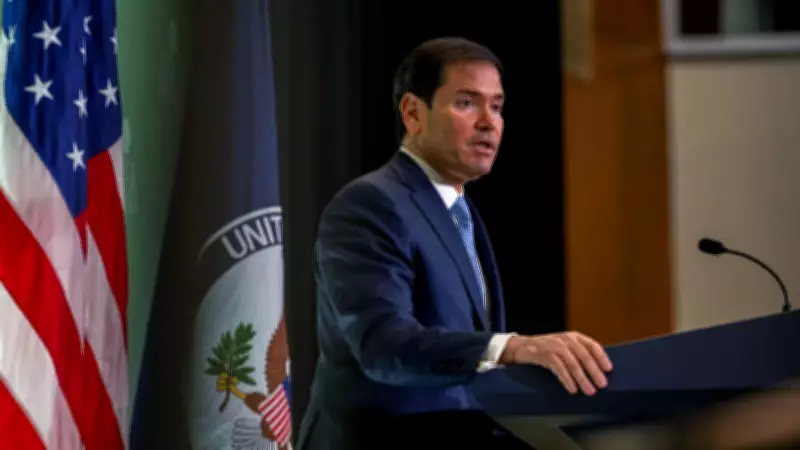
Marco Rubio Steps Down from US National Archives Leadership Role
In a significant development in US political circles, Senator Marco Rubio has officially resigned from his position as the acting head of the United States National Archives and Records Administration (NARA). This move comes amid a period of intense scrutiny and controversy surrounding the agency's operations and document management practices.
Background and Context of the Resignation
Marco Rubio, a prominent Republican figure from Florida, had been serving in an acting capacity at the National Archives, a critical federal institution responsible for preserving and providing access to the nation's historical records. His appointment to this role was part of a broader administrative reshuffle, but it quickly drew attention due to the Archives' involvement in high-profile cases, including the handling of presidential documents and other sensitive materials.
The resignation was announced through official channels, with Rubio citing personal reasons for his decision to step down. However, insiders and political analysts suggest that the move may be linked to mounting pressures and controversies that have plagued the agency in recent months. The National Archives has been at the center of several disputes, particularly concerning the management and accessibility of records related to past administrations and historical events.

Implications for US Governance and Historical Preservation
Rubio's departure raises important questions about the stability and direction of the National Archives. As a key repository of America's documentary heritage, the agency plays a vital role in ensuring transparency and accountability in government. His exit could signal potential shifts in how the Archives operates, especially in terms of its approach to document classification, public access, and compliance with legal standards.
Experts warn that this leadership change might impact ongoing investigations and archival projects. The National Archives has been involved in efforts to address backlogs in record processing and to modernize its digital infrastructure. With Rubio's resignation, there is uncertainty about whether these initiatives will continue uninterrupted or face delays under new leadership.
Political Reactions and Future Outlook
The news of Rubio's resignation has elicited mixed reactions from across the political spectrum. Some lawmakers have expressed concern over the timing and circumstances of his departure, calling for greater oversight and reform at the National Archives. Others have viewed it as an opportunity to appoint a permanent head who can steer the agency with more focus and less political interference.
Looking ahead, the Biden administration is expected to nominate a successor to fill the vacancy left by Rubio. This appointment will be closely watched, as it could influence the Archives' policies on issues such as historical preservation, freedom of information, and ethical standards in record-keeping. The transition period may also see increased public and media scrutiny on how the agency manages its vast collections and responds to legal requests.
In summary, Marco Rubio's resignation from the US National Archives marks a pivotal moment for the institution, highlighting ongoing challenges in balancing political pressures with the mission of safeguarding national history. As the search for a new leader begins, stakeholders will be keenly observing how this change affects the Archives' role in promoting transparency and preserving America's documentary legacy for future generations.