

Minneapolis Becomes Battleground in Federal Immigration Showdown
An intense confrontation between federal authorities and local residents has transformed the streets of Minneapolis into a volatile arena, creating a scenario that has unsettled even some supporters of former President Donald Trump. This escalating conflict centers on the deployment of thousands of Immigration and Customs Enforcement (ICE) and Border Patrol agents to the city, executing what was promised as the largest deportation operation in American history.
Fatal Encounters Ignite Public Outrage
The situation reached a critical point with two fatal shootings within weeks. On January 7, Renee Good, a 37-year-old mother, was fatally shot in the head by an ICE agent during protests. Just days later, on a Saturday, Alex Pretti, a 37-year-old nurse at the Minneapolis VA Medical Center, was shot with ten rounds and killed by a Border Patrol agent. These incidents have marked a dangerous new phase in the ongoing standoff.
Mayor Jacob Frey expressed profound concern, stating, "We've seen constant, constant escalation. The chief and I were both publicly and privately expressing deep concern of the possibility, even likelihood, that somebody was going to get seriously injured or killed." The 44-year-old mayor, reflecting on the unprecedented nature of the federal presence, added, "Never in a million years would I have thought our federal government would be invading our city in these numbers."

Operation Metro Surge: Scale and Controversy
Dubbed Operation Metro Surge, this federal initiative stands out for its massive scale. While Chicago, with a population of 2.7 million, saw only a few hundred agents deployed, Minneapolis, with about 430,000 residents, has been inundated with approximately 3,000 federal officers. The Department of Homeland Security (DHS) has labeled it their largest operation to date.
The operation has produced jarring imagery: unmarked vehicles with masked agents patrolling streets, chemical grenades tossed at protesters, and residents detained under harsh conditions. DHS Secretary Kristi Noem described Good as a "domestic terrorist," while the agency claimed Pretti "violently resisted" before agents fired "defensive shots." However, video analyses have challenged these narratives, deepening public skepticism.
Political Divisions and Local Resistance
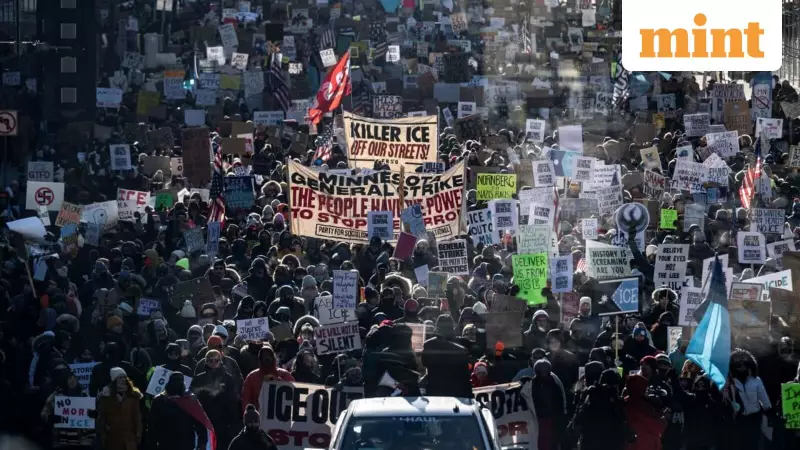
The conflict mirrors the nation's deep divide over immigration policy, an issue that significantly influenced the previous presidential election. For many Minneapolis residents, the federal presence feels like an occupation targeting their progressive city. In response, community networks have mobilized, using whistles to alert others of approaching agents and phones to document interactions.
Volunteer groups like Defend the 612 have organized patrols, while schools have seen human chains formed to protect students. Local businesses have closed in solidarity, and residents like Melia Derrick, 70, have braved subzero temperatures to join protests. "My favorite restaurant got shut down. They took the cook," she lamented, highlighting the personal toll on the community.
Mayor Frey's Precarious Position
Mayor Frey, who moved to Minneapolis after falling in love with the city during a marathon, finds himself walking a tightrope. He has commended citizens for protesting but urged them to avoid violence, warning that the Trump administration is "looking for any excuse to further deploy troops." His forceful rhetoric, including telling ICE to "get the f—k out of Minneapolis," has drawn both praise and criticism.
Frey's political journey adds context to his stance. After facing crises like the COVID-19 pandemic and unrest following George Floyd's murder, he has positioned himself as a moderate in a deeply liberal city. His refusal to defund the police during previous turmoil earned him respect from some constituents, but now he confronts an external threat that he describes as "performative, political retribution."

National Repercussions and Uncertain Future
The Minneapolis conflict has reverberated nationally, with mixed reactions within the White House. Some advisers believe the operation has gone too far, while others fear retreat would signal capitulation. Vice President JD Vance visited the city, blaming local leadership for inflaming tensions, but did not meet with Frey or Minnesota Governor Tim Walz.
As temperatures plummet to minus 21 degrees, colder than northern Alaska, some hope the cold might slow operations. However, Frey remains resolute: "We're not going anywhere. We're prepared. We've got warm jackets—and each other." With both sides entrenched and the battle taking on national dimensions, the path to resolution remains unclear, leaving Minneapolis in a state of unprecedented urban strife.





