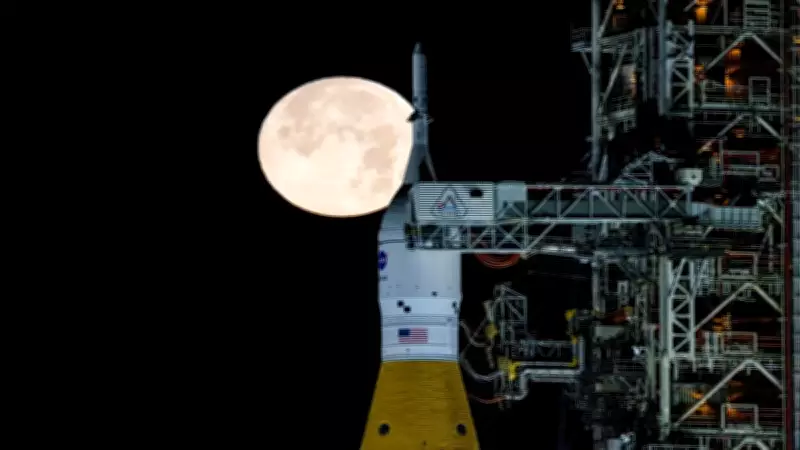
NASA's Artemis Moon Rocket Test Faces Setback with Hydrogen Leak
In a significant development for space exploration, NASA's preparations for the Artemis moon mission have encountered an unexpected hurdle. A critical test of the agency's powerful moon rocket was recently disrupted by a hydrogen leak, casting a shadow over the planned launch timeline. This incident has forced a pause in the crucial countdown procedures, leaving the crew and mission planners in a state of anticipation as they work to address the technical issue.
Details of the Hydrogen Leak Incident
The hydrogen leak occurred during a key testing phase for the rocket, which is central to NASA's ambitious Artemis program aimed at returning humans to the lunar surface. Hydrogen, used as a propellant in the rocket's engines, is highly flammable and requires meticulous handling, making any leak a serious concern for safety and mission integrity. The leak was detected as engineers were conducting pre-launch checks, prompting an immediate halt to operations to prevent potential hazards.
This setback is particularly impactful because the test was part of a series of evaluations designed to ensure the rocket's readiness for its maiden flight. NASA officials have emphasized that such technical challenges are not uncommon in complex space missions, but they do require careful resolution to avoid delays. The crew involved in the Artemis mission is now awaiting further updates as technicians investigate the source of the leak and implement corrective measures.

Implications for the Artemis Launch Timeline
The Artemis program, which targets a crewed launch around 2026, is a cornerstone of NASA's efforts to establish a sustainable human presence on the Moon. The hydrogen leak has introduced uncertainty into the countdown schedule, potentially affecting the overall mission timeline. While NASA has not specified a new launch date, the agency is likely to reassess the situation once the leak is fully resolved and all safety protocols are confirmed.
Experts in space technology note that delays due to technical issues are a standard part of rocket development, especially for missions of this scale. However, the incident underscores the challenges of advancing space exploration and the importance of rigorous testing. The Artemis team is focused on maintaining the rocket's reliability and safety, ensuring that when the launch does occur, it will be a milestone achievement for global space efforts.
Next Steps and Broader Context
Looking ahead, NASA plans to conduct thorough inspections and repairs to fix the hydrogen leak before resuming the countdown tests. The success of these efforts will be crucial for keeping the Artemis program on track. This event also highlights the broader trends in space exploration, where agencies worldwide are pushing the boundaries of technology to explore celestial bodies.
In summary, while the hydrogen leak presents a temporary obstacle, it is a reminder of the complexities involved in lunar missions. As NASA works to overcome this challenge, the world watches with interest, anticipating the next steps in humanity's journey back to the Moon.