

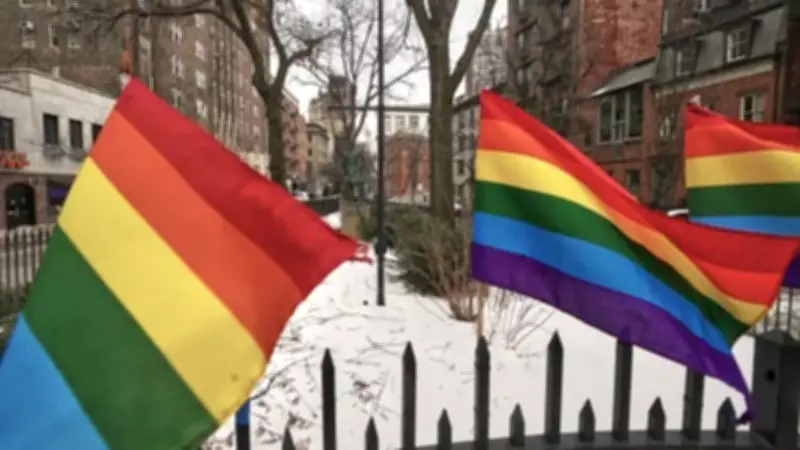
Landmark Supreme Court Ruling Overturns Colorado's Conversion Therapy Ban
In a significant 8-1 decision with far-reaching implications, the United States Supreme Court on Tuesday struck down a Colorado law that prohibited licensed psychotherapists from providing "conversion" therapy to LGBTQ+ minors. The controversial ruling, reported by Reuters, centers on the tension between state healthcare regulations and constitutional free speech protections.
First Amendment Concerns Take Center Stage
The court sided with Christian counselor Kaley Chiles, who challenged the 2019 Colorado law that banned therapists from attempting to change a minor's sexual orientation or gender identity. Chiles argued successfully that the legislation violated her First Amendment rights by restricting her ability to offer faith-based talk therapy to adolescents seeking guidance aligned with their religious beliefs.
Justice Neil Gorsuch, writing for the majority, declared that Colorado's law "censors speech based on viewpoint." He emphasized that Chiles' therapeutic approach involved no physical interventions or medications, consisting solely of conversation-based counseling. The ruling specifically noted that states might still regulate extreme forms of conversion therapy involving aversive physical practices, but sent the case back to a lower court for reconsideration under stricter free speech standards.

What Is Conversion Therapy?
Conversion therapy, sometimes called reparative therapy or "gay cure" therapy, encompasses various methods aimed at altering an individual's sexual orientation or gender identity. These approaches range from talk therapy and prayer to more extreme interventions. While some historical practices involved physical harm, contemporary cases typically involve counseling sessions or faith-based guidance.
Major medical organizations, including the American Psychological Association and American Medical Association, have consistently warned that conversion therapy is not only ineffective but can cause severe and lasting psychological damage, particularly to vulnerable minors.
Colorado's Legislative Intent and National Implications
Colorado enacted its ban in 2019 specifically to protect LGBTQ+ youth from documented psychological harm. The legislation prohibited licensed therapists from attempting to make LGBT minors heterosexual or force conformity to traditional gender roles, while still permitting supportive therapy that helps youth explore their identity or achieve self-acceptance. Violations carried fines up to $5,000.
The Supreme Court's decision highlights the fundamental conflict between state authority to regulate healthcare practices and constitutional protections for free speech. Colorado argued the law safeguarded minors from harmful therapeutic approaches, while Chiles and her supporters contended the ban prevented counselors from discussing specific values and goals with clients.
This ruling potentially affects similar laws in more than twenty states that currently restrict conversion therapy for minors, potentially opening the door to new legal challenges across the country.
Dissenting Opinion and Broader Consequences
Justice Ketanji Brown Jackson offered the sole dissenting opinion, arguing that medical professionals speaking to minors should face stricter regulation than ordinary speech due to their influential position and the vulnerability of their patients.
Supporters of the ruling celebrate it as a victory for counselors' rights to express certain viewpoints without government interference. Critics, however, warn that the decision could expose LGBTQ+ minors to practices that major medical organizations deem harmful and ineffective, potentially reversing years of legislative progress in protecting vulnerable youth.
The case now returns to lower courts for further proceedings, where Colorado may attempt to craft narrower restrictions that survive constitutional scrutiny while still protecting minors from documented harms associated with conversion therapy practices.






