

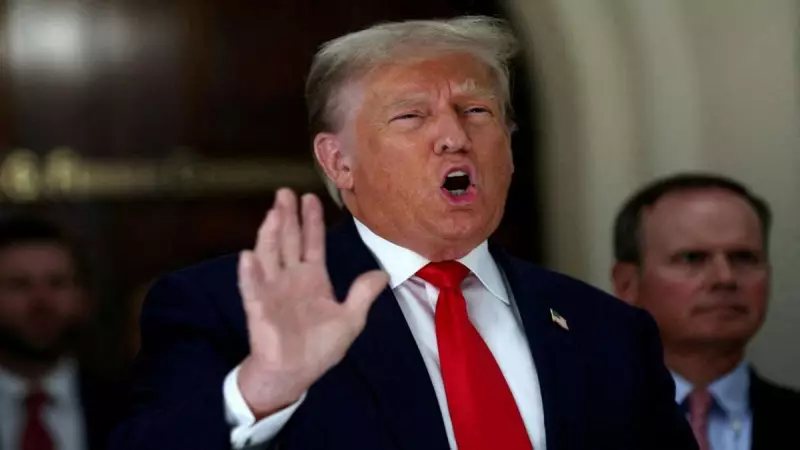
Trump Engages in Damage Control Amid Controversy Over ICE Shootings
Former President Donald Trump has initiated a significant effort at damage control in the wake of recent shootings involving Immigration and Customs Enforcement (ICE) agents. The incidents, which have drawn widespread attention and criticism, have placed Trump and his administration under intense scrutiny as they navigate the political fallout. This development comes at a time when immigration policies remain a highly contentious issue in American politics, with debates raging over enforcement methods and their implications for national security and civil liberties.
White House Firmly Denies Labeling Alex Pretti as a Domestic Terrorist
In a related controversy, the White House has issued a strong denial regarding allegations that it referred to Alex Pretti as a domestic terrorist. Officials have clarified that no such designation was made, emphasizing that the administration adheres to strict protocols when classifying individuals or groups. This denial aims to quell speculation and misinformation that has circulated in the aftermath of the ICE shootings, highlighting the sensitive nature of such labels and their potential to inflame public discourse. The situation underscores the challenges faced by political leaders in managing crises while maintaining transparency and credibility.
The ICE shootings have sparked a broader conversation about the role and conduct of immigration enforcement agencies in the United States. Critics argue that such incidents reflect systemic issues within ICE, including excessive use of force and lack of accountability, while supporters defend the agency's efforts to uphold immigration laws and protect borders. Trump's response to the controversy is seen as a critical test of his leadership and ability to address public concerns, particularly as he positions himself for potential future political endeavors. The White House's denial regarding Alex Pretti adds another layer of complexity, as it intersects with ongoing debates over free speech, political dissent, and national security threats.

Political Repercussions and Public Reaction to the Incidents
The fallout from the ICE shootings and the associated allegations has reverberated across the political spectrum, with lawmakers, activists, and the general public weighing in on the matter. Some political analysts suggest that Trump's damage control efforts may influence his standing among key voter demographics, especially those concerned with immigration and law enforcement issues. Meanwhile, the White House's denial has been met with mixed reactions, with some accepting the clarification and others remaining skeptical, pointing to past instances of controversial statements from the administration.
As the story continues to unfold, several key questions remain unanswered. Investigations into the ICE shootings are ongoing, and their outcomes could have significant implications for policy reforms and public trust. Additionally, the case of Alex Pretti raises broader issues about how political figures and media outlets handle accusations of terrorism, with potential impacts on civil liberties and democratic norms. Observers note that this episode highlights the enduring tensions between security measures and individual rights in contemporary society.
In summary, the combination of Trump's damage control maneuvers and the White House's denial creates a complex narrative that touches on core aspects of American governance and politics. The events serve as a reminder of the volatile nature of immigration debates and the importance of clear communication from leadership during times of crisis. Moving forward, the resolution of these issues will likely shape public perception and policy discussions for the foreseeable future.





