Deadly protests have once again erupted across Iran, drawing international attention and a pointed offer of assistance from former United States President Donald Trump. The unrest, which has reportedly led to significant casualties, has prompted a fierce response from Iran's Supreme Leader Ayatollah Ali Khamenei, who has blamed foreign adversaries for the turmoil.
Trump's Offer of Support Amid Escalating Unrest
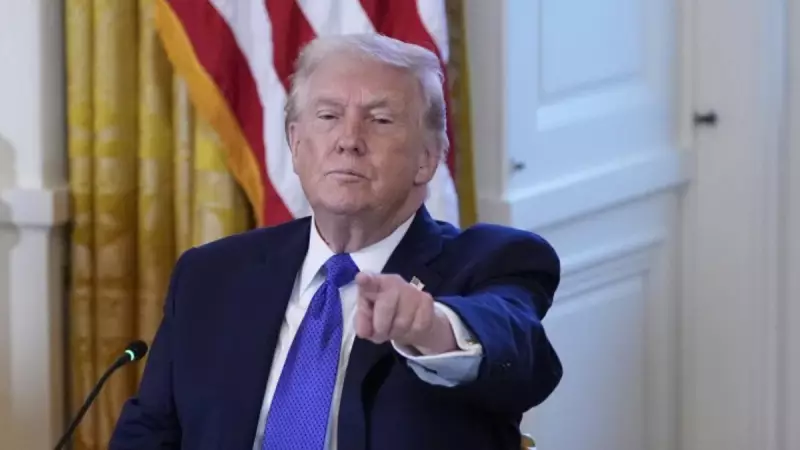
In a significant statement, former US President Donald Trump declared that the United States is prepared to support the Iranian people in their quest for freedom. Trump stated, "Iran is looking at freedom. They want freedom. They want to be free." He emphasized that America stands ready to assist, framing the ongoing protests as a struggle for liberty against a repressive regime. This offer reiterates his administration's longstanding hardline stance against the Iranian government.
The protests, which have spread to multiple cities, are reported to be some of the most severe in recent years. Sources indicate that security forces have responded with lethal force, leading to a rising death toll. The precise number of casualties remains difficult to verify due to internet restrictions and state control over information flow within the country.

Khamenei's Response and Accusations of Foreign Interference
In response to the widespread demonstrations, Supreme Leader Ayatollah Ali Khamenei delivered a public address, squarely pointing the finger at external forces. Khamenei accused the United States and Israel of orchestrating the protests to destabilize Iran. He labeled the protesters as "tools" of these foreign enemies and vowed that the nation would overcome this "sedition," as it has done in the past.
The Iranian government has a history of attributing domestic dissent to foreign conspiracy, particularly by the US and its allies. This narrative is used to delegitimize protest movements and justify a harsh crackdown. Internet access has been severely disrupted in many areas, a common tactic employed by authorities to prevent organization and obscure the true scale of the unrest from the world.
Roots of the Current Wave of Protests
While the immediate trigger for the latest protests may vary, the underlying causes are deeply rooted in longstanding public grievances. These include:
- Economic hardship due to sanctions, inflation, and unemployment.
- Political repression and a lack of personal freedoms.
- Social restrictions, particularly concerning women's rights.
The current situation is reminiscent of the major protest waves that have shaken Iran in recent years, most notably the nationwide demonstrations following the death of Mahsa Amini in 2022. The persistence of such unrest highlights the deepening rift between the ruling establishment and a significant portion of the population, especially the youth.
The international community is closely monitoring the situation, with human rights organizations calling for restraint and accountability. The offer of support from a figure like Donald Trump, while symbolic, adds a complex geopolitical dimension to the crisis, potentially giving the Iranian regime further pretext for its crackdown under the guise of combating foreign intervention.
The coming days will be critical in determining whether the government can suppress the protests or if the movement will gain further momentum. The world watches as the Iranian people's struggle for change faces a formidable and determined state apparatus.