Trump's Provocative Video Targets Iran Amid Escalating Tensions
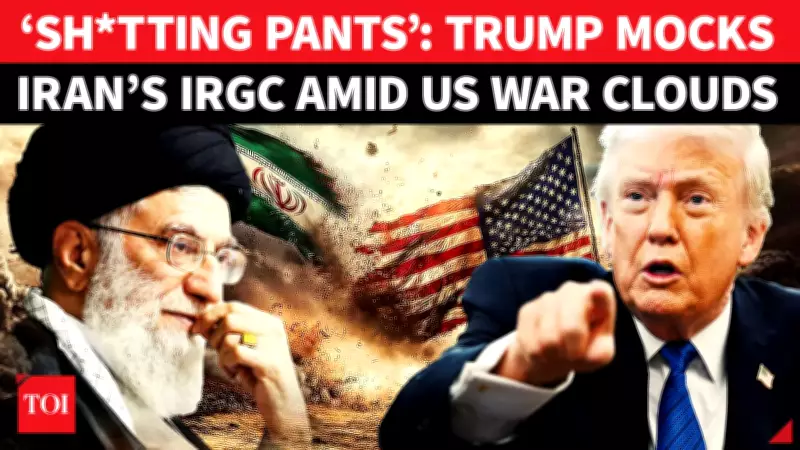
In a move that has intensified already high-stakes geopolitical friction, US President Donald Trump has shared a controversial video on social media platforms. The footage purportedly depicts a significant security deployment by Iran's Islamic Revolutionary Guard Corps (IRGC) in the capital city of Tehran. Accompanying the video, Trump used inflammatory language to mock and criticize Iran's military leadership, specifically referencing Supreme Leader Ali Khamenei in what analysts describe as a psychological pressure campaign.
Unverified Footage and Internet Restrictions in Iran
The authenticity and timing of the video remain unconfirmed due to Iran's stringent internet controls and media blackouts, which have hampered independent verification efforts. This release coincided with reports of multiple deadly explosions in the Iranian cities of Bandar Abbas and Ahvaz. Iranian authorities have officially attributed these blasts to accidental gas leaks, but the simultaneous nature of these events with Trump's post has fueled speculation and concern in international circles.
Deadly Explosions Rock Iranian Cities
According to local reports, the explosions in Bandar Abbas and Ahvaz resulted in over twenty casualties, with significant damage to infrastructure including high-rise buildings and commercial shops. The IRGC has been actively involved in response operations, denying any external attacks on naval forces. However, the lack of transparent information has led to widespread uncertainty about the true causes and implications of these incidents.

US Military Buildup and Diplomatic Uncertainty
The provocative social media activity from the White House occurs against a backdrop of a substantial US military buildup in the Gulf region. American warships, warplanes, and missile systems have been deployed, raising alarms about potential escalation into open conflict. Meanwhile, diplomatic channels between Washington and Tehran present mixed signals, with talks of possible negotiations juxtaposed against aggressive posturing from both sides.
Key Developments in the Iran-US Standoff:- Trump's video claims to show IRGC forces in a state of high alert in Tehran, though it cannot be independently verified.
- Deadly explosions in Bandar Abbas and Ahvaz have caused multiple casualties, officially blamed on gas leaks by Iranian officials.
- The US has increased its military presence in the Middle East, including warships and aircraft, amid threats of war.
- Iran has responded with threats of its own, including public displays referencing "enemy caskets" and warnings to Americans and Israelis.
- Internet restrictions in Iran continue to limit the flow of information, complicating efforts to assess the situation accurately.
Regional and Global Reactions
The situation has drawn reactions from various international actors. Israel has broken its silence on the explosions in Iran, while figures like US Senator Bernie Sanders have criticized domestic policies, highlighting the broader political context. Additionally, incidents such as Danish military veterans storming the US embassy over Trump's remarks on NATO underscore the wider ramifications of this tension. The ongoing conflict in Ukraine, with reports of Russian forces pressuring Ukrainian commanders in Zaporizhzhia, adds another layer of complexity to global security dynamics.
As the world watches closely, the combination of explosive events in Iran, provocative messaging from the US leadership, and military mobilizations has created a volatile environment. Questions abound regarding the potential for escalation, the role of psychological operations in modern warfare, and the future of US-Iran relations in this highly charged atmosphere.