

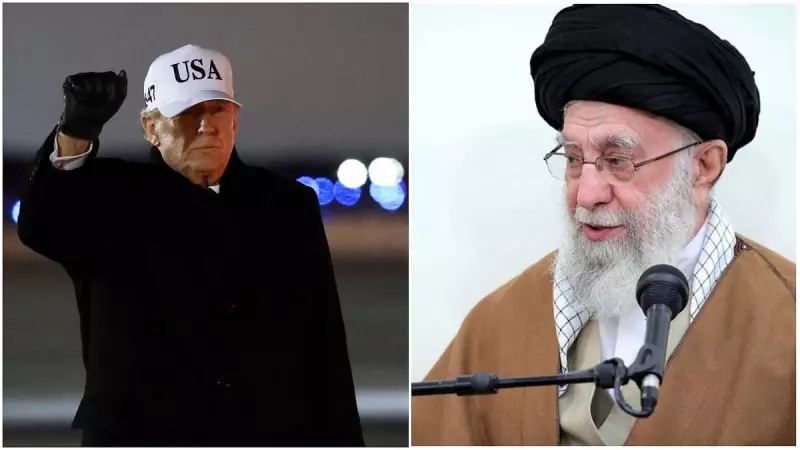
Trump's Nuclear Ultimatum to Iran: 'Make Deal or Face Far Worse Attack'
Former Republican US President Donald Trump has issued a chilling warning to Iran, stating that the nation must either agree to a nuclear deal or face a military attack that would be far more severe than previous actions. This statement comes from the political figure who famously withdrew the United States from the 2015 multinational nuclear agreement with Tehran during his initial term in the White House.
Historical Context and Previous Military Action
Trump specifically referenced his last warning to the Iranian leadership, which was subsequently followed by a significant military strike. This pattern of issuing warnings and then taking military action underscores the seriousness of his current ultimatum. The former president's approach to Iran has consistently been characterized by a hardline stance, emphasizing maximum pressure tactics over diplomatic engagement.
Implications for US-Iran Relations
The warning raises critical questions about the future of US-Iran relations and regional stability in the Middle East. Key points to consider include:

- The potential for escalated conflict if Iran does not comply with Trump's demands
- The impact on ongoing nuclear negotiations involving other global powers
- Regional security concerns for neighboring countries
- The political ramifications for both US domestic politics and international diplomacy
Iranian Leadership and Response
While Trump's warning specifically targets Iran, it is directed at the nation's leadership, including figures such as Ayatollah Ali Khamenei. The Iranian government has historically responded to such threats with defiance, often citing its right to peaceful nuclear development under international agreements. The current situation presents a delicate balancing act for Tehran as it navigates between domestic priorities and external pressures.
The international community continues to monitor these developments closely, recognizing that any military escalation could have far-reaching consequences beyond the immediate region. As geopolitical tensions persist, the need for diplomatic solutions remains paramount to prevent further destabilization.






