Trump Issues Stern Warning to Iran Over Strait of Hormuz Tanker Incidents
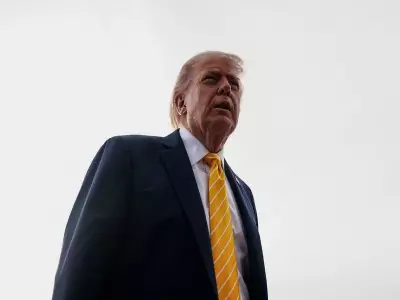
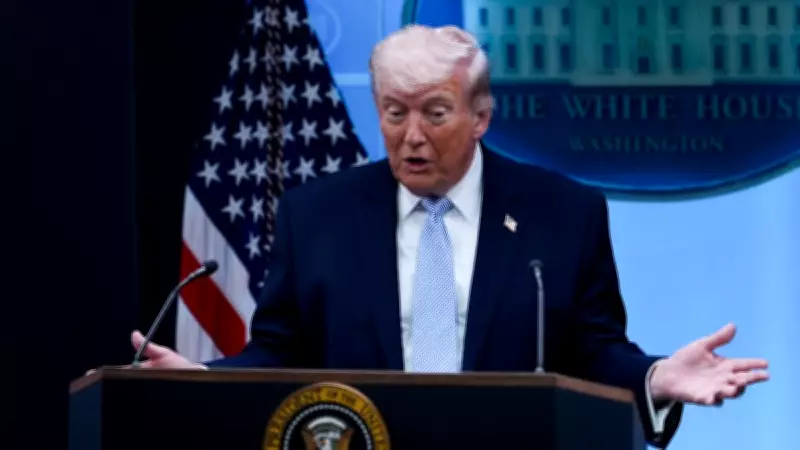
Former United States President Donald Trump has publicly criticized Iran's maritime conduct in the strategically vital Strait of Hormuz, labeling Tehran's actions as a "very poor job." In a recent statement, Trump issued a direct warning to the Iranian government, cautioning against any attempts to charge or harass tankers navigating through this crucial global oil transit route.
Escalating Tensions in a Critical Waterway
The Strait of Hormuz serves as one of the world's most significant maritime chokepoints, with approximately one-fifth of global oil supplies passing through its narrow waters. Trump's remarks come amid heightened regional tensions and ongoing concerns about Iran's naval activities in the area. The former president emphasized that Iran's current approach to managing security and transit in the strait is fundamentally flawed and poses risks to international shipping.
Trump specifically warned Tehran against implementing any form of charges or fees on commercial vessels, a practice that could disrupt the free flow of maritime trade and escalate conflicts in the already volatile region. His comments reflect longstanding U.S. policy opposing Iranian interference in international shipping lanes, but they carry added weight given his potential influence on future American foreign policy directions.

Broader Implications for Global Energy Security
This warning underscores the persistent geopolitical friction between the United States and Iran, particularly regarding control over key Middle Eastern waterways. Analysts note that any Iranian move to impose tolls or restrictions on tankers could trigger significant economic repercussions, potentially driving up global oil prices and straining diplomatic relations with major energy-consuming nations.
The situation highlights the delicate balance of power in the Persian Gulf, where naval patrols and occasional confrontations have become commonplace. Trump's characterization of Iran's efforts as "very poor" suggests a broader critique of Tehran's regional strategy, implying that such actions could backfire by inviting stronger international pushback.
Historical Context and Future Outlook
This is not the first time Trump has taken a hardline stance against Iran's maritime policies. During his presidency, he frequently criticized the 2015 nuclear deal and reimposed sanctions, contributing to the current tense atmosphere. His latest warning may signal a continued hawkish approach should he return to political prominence, potentially affecting U.S.-Iran relations and global security dynamics.
Observers are closely monitoring how Iran responds to these remarks, as any escalation could have far-reaching consequences for international trade and regional stability. The Strait of Hormuz remains a flashpoint where geopolitical ambitions and economic necessities collide, making Trump's intervention a significant development in ongoing diplomatic and security discussions.