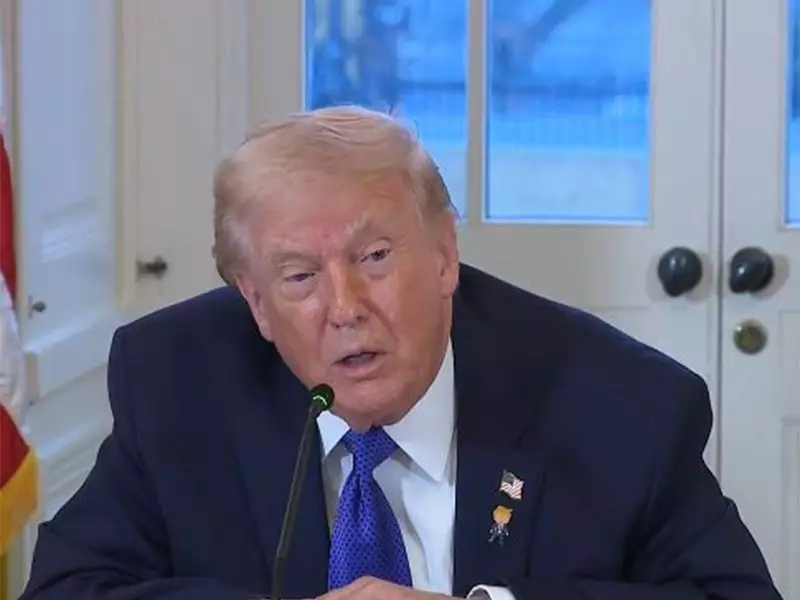
In a significant campaign promise aimed directly at American wallets, former President Donald Trump has vowed to implement a federal cap on credit card interest rates. The proposed ceiling of 10 percent, announced during a key rally, is slated to take effect on January 20, 2025, should he win the upcoming November election.
The Core Proposal and Its Political Context
Donald Trump made this bold declaration while addressing supporters, framing it as a decisive action against financial institutions that profit from high-interest debt. He positioned the plan as a major relief measure for working-class families and middle-income Americans who are currently grappling with soaring Annual Percentage Rates (APRs). The announcement comes at a critical juncture in the 2024 presidential race, highlighting economic issues as a central battlefield.
The effective date of January 20 is strategically symbolic, marking the traditional Inauguration Day for US presidents. This timing underscores Trump's intent to present the policy as an immediate priority upon taking office, transforming a campaign pledge into an actionable goal from day one.

Potential Impact on Consumers and the Banking Sector
If enacted, this policy would represent one of the most substantial interventions in the US consumer credit market in decades. Currently, the average credit card interest rate in the United States hovers above 20 percent, with some cards charging rates well into the 30 percent range for individuals with lower credit scores. A mandatory cap at 10 percent would drastically reduce finance charges for millions of cardholders.
However, the proposal has ignited a fierce debate. Proponents argue that it would provide urgent financial breathing room for households burdened by expensive debt, potentially freeing up billions in disposable income. Critics, particularly from the banking and financial services industry, warn that such a cap could severely restrict access to credit. They contend that banks might compensate for the lost interest revenue by tightening lending standards, eliminating rewards programs, and increasing annual fees, making credit cards less accessible, especially for subprime borrowers.
The legal pathway for such a cap remains a complex question. While the federal government has usury laws, their application is often limited. A nationwide cap would likely require new legislation from Congress or a novel regulatory approach, setting the stage for a major political and legal confrontation.
A Contrast in Economic Visions
This policy pledge sharply distinguishes Trump's economic agenda from that of the incumbent Biden administration and his Democratic rivals. It taps into populist sentiment against Wall Street and large financial institutions, a recurring theme in Trump's political messaging. The move is seen as an effort to appeal to voters who feel squeezed by inflation and the high cost of living, positioning Trump as a champion of the common citizen against corporate power.
The promise also raises questions about its interaction with other economic factors. Analysts are speculating on how such a cap might influence consumer spending, savings rates, and overall economic growth. Furthermore, it places the issue of consumer debt and financial fairness squarely at the center of the election discourse, forcing other candidates to respond with their own proposals.
As the campaign intensifies, the proposed 10 percent credit card interest cap is set to remain a hotly debated topic. It encapsulates a larger argument about the role of government in regulating markets and protecting consumers, promising significant consequences for both the American financial landscape and the political fortunes of the candidates involved.