Trump's Davos Address: A Litany of Criticisms Aimed at Global Figures
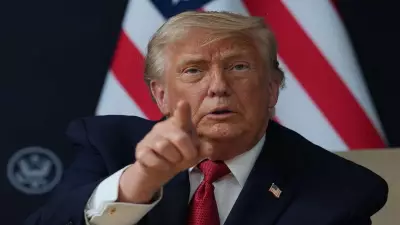
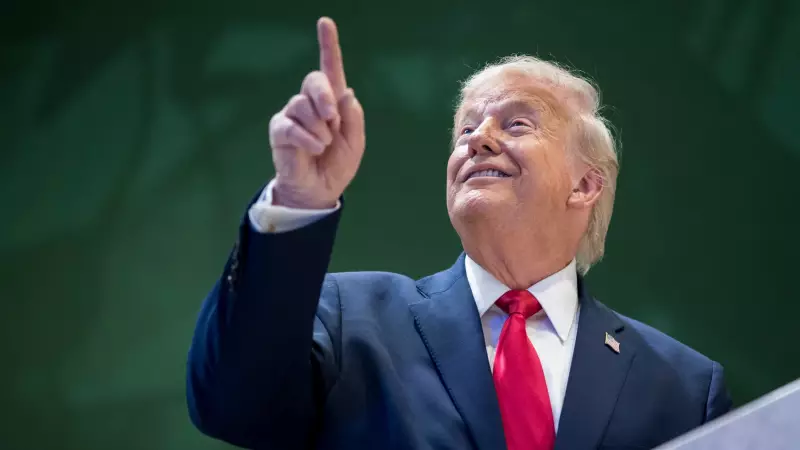
In a recent speech delivered at the World Economic Forum in Davos, former United States President Donald Trump unleashed a series of pointed remarks directed at various world leaders, capturing global attention and stirring diplomatic discussions. The address, which was part of a broader political commentary, highlighted Trump's unapologetic style and his ongoing influence on international affairs. This incident underscores the volatile nature of global politics and the impact of such public statements on international relations.
Five Key Insults That Dominated the Headlines
Trump's speech was particularly notable for its direct criticisms, which targeted leaders from major nations. Here are the five primary insults that emerged from his Davos appearance:
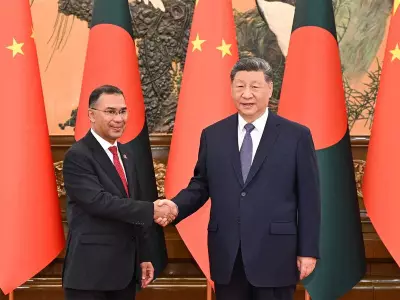
- China's Leadership: Trump took aim at Chinese officials, accusing them of unfair trade practices and geopolitical maneuvers. He used strong language to describe their actions, suggesting a lack of transparency and cooperation in global matters.
- Germany's Chancellor: The former president criticized Germany's leadership, particularly focusing on energy policies and defense spending. He implied that the country was not contributing adequately to international security efforts.
- European Union Representatives: Trump extended his criticisms to the broader European Union, questioning its unity and effectiveness in handling economic and political challenges. He portrayed the EU as a fragmented entity struggling to maintain cohesion.
- Other Asian Leaders: Beyond China, Trump made veiled references to leaders in other Asian nations, hinting at dissatisfaction with their diplomatic stances and economic strategies. These remarks were less specific but added to the overall tone of disapproval.
- Global Institutions: In a broader sense, Trump insulted the leadership of international organizations, suggesting they were inefficient and biased. This part of his speech reflected his longstanding skepticism towards multilateral bodies.
Reactions and Implications for International Diplomacy
The speech has elicited mixed reactions from around the world. Some observers view Trump's comments as a continuation of his disruptive approach to diplomacy, while others see them as a reflection of deeper geopolitical tensions. Experts note that such public insults can strain bilateral relationships and complicate ongoing negotiations. For instance, the remarks on China come at a time of heightened trade disputes, potentially exacerbating existing conflicts.

Moreover, the focus on Germany and the EU highlights ongoing debates about transatlantic alliances and defense responsibilities. Trump's criticisms may influence domestic politics in these regions, as leaders respond to the pressure from a former U.S. president. The speech also raises questions about the role of forums like Davos in facilitating or hindering diplomatic dialogue, given the platform it provides for such contentious statements.
Analyzing the Broader Context of Trump's Rhetoric
This incident is not an isolated one; Trump has a history of using provocative language against world leaders during his presidency and beyond. His Davos speech aligns with a pattern of leveraging public platforms to challenge established norms and assert his political agenda. Analysts suggest that such tactics are aimed at maintaining his relevance in global politics and appealing to his base of supporters who appreciate his confrontational style.
From a strategic perspective, the insults may serve multiple purposes: they can divert attention from domestic issues, reinforce Trump's image as an outsider, and put pressure on other nations to align with his views. However, the long-term consequences could include a erosion of trust and cooperation on the international stage, making it harder to address shared challenges like climate change or economic instability.

In conclusion, Trump's Davos speech has once again thrust him into the spotlight, with its five key insults to world leaders sparking widespread discussion. As global politics continues to evolve, such episodes remind us of the delicate balance between free speech and diplomatic decorum, and their potential to shape the future of international relations.