

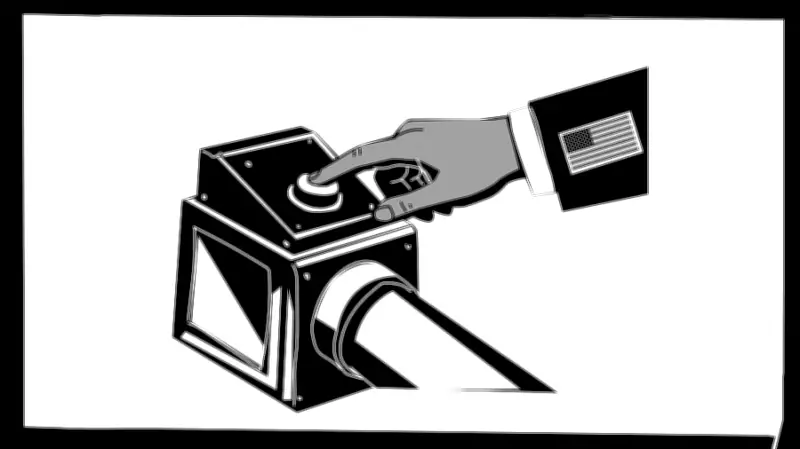
Trump as a Prophet of Doom: America's Expansionism in Ancient Civilizations
In a thought-provoking opinion piece, Prasenjit Chowdhury examines the role of former President Donald Trump as a prophet of doom, highlighting critical perspectives on American foreign policy. The analysis delves into how America's expansionist actions, particularly in regions like Iraq and Afghanistan in the past, and currently in Iran, raise significant ethical and historical concerns.
America's Guilt in Transgressing Ancient Seats of Civilization
What is crucial in this discourse is the assertion that America finds itself repeatedly guilty of transgressing the great seats of ancient civilizations through its military and political interventions. The expansionism vis-à-vis Iraq and Afghanistan earlier, and the ongoing tensions with Iran, serve as prime examples of this pattern. These regions, rich in historical and cultural heritage, have borne the brunt of external influences that often disrupt their societal fabric.
Historical Context of US Involvement

The article underscores that America's actions in these areas are not isolated incidents but part of a broader legacy of interventionism. By engaging in conflicts and diplomatic maneuvers in Iraq and Afghanistan, the US has often been accused of overstepping boundaries and imposing its will on sovereign nations with deep-rooted histories. Similarly, the current stance towards Iran continues this trend, potentially jeopardizing the stability of another ancient civilization.
Trump's Role in Highlighting These Issues
Trump's rhetoric and policies have positioned him as a figure who amplifies warnings about the consequences of such expansionism. His approach, often described as doom-laden, brings attention to the risks and moral dilemmas associated with America's foreign engagements. This perspective challenges conventional narratives and invites a reevaluation of how the US interacts with regions that are cradles of human civilization.
Implications for Global Politics and Heritage
The discussion extends beyond mere political critique to consider the broader implications for global heritage and international relations. By transgressing these ancient seats, America not only faces geopolitical repercussions but also risks damaging cultural legacies that are invaluable to humanity. This analysis calls for a more nuanced and respectful approach in foreign policy, one that acknowledges the historical significance of these civilizations.
In summary, Chowdhury's piece serves as a timely reminder of the ongoing debates surrounding American expansionism and the prophetic warnings issued by figures like Trump. It emphasizes the need for introspection and change in how powerful nations engage with the world's ancient and culturally rich regions.

