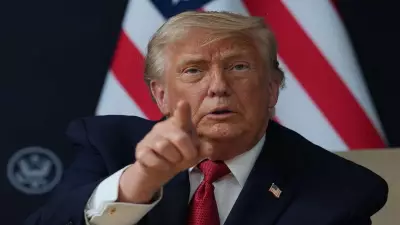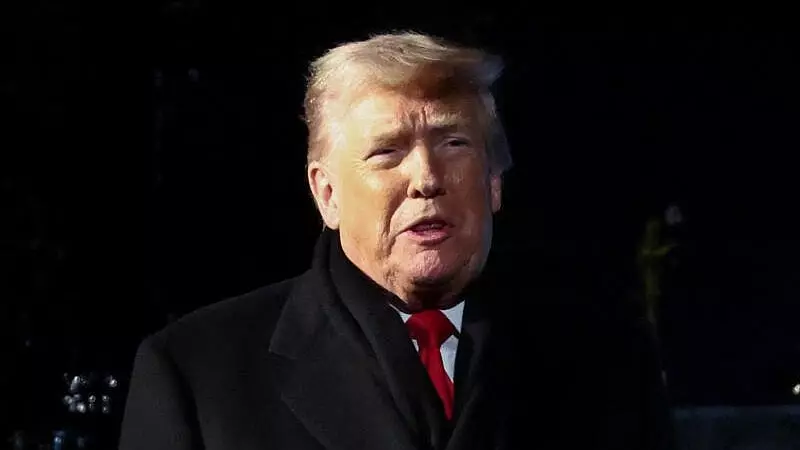
As Donald Trump marks the conclusion of his tumultuous inaugural year in the White House, his administration's determined efforts to acquire Greenland are creating significant waves ahead of the prestigious World Economic Forum gathering in Davos. The annual summit, traditionally a platform for global elites to deliberate on pressing economic trends and international cooperation, now faces the prospect of being overshadowed by Trump's polarizing foreign policy ambitions.
Controversial Territorial Aspirations
The revelation of Trump's persistent interest in Greenland has added an unexpected geopolitical dimension to what is typically an economics-focused forum. This development comes at a particularly sensitive time, as world leaders prepare to convene in the picturesque Alpine resort of Davos to address global economic challenges and collaborative solutions.
Timing and Implications
The timing of this disclosure, coinciding with the anniversary of Trump's first year in office, amplifies its significance. The president's unconventional approach to international relations has consistently generated headlines, and this latest ambition regarding Greenland appears set to dominate conversations that would otherwise center on traditional economic discourse.

Observers note that Trump's presence and agenda could fundamentally alter the dynamics of the Davos meeting. Instead of focusing solely on economic indicators, trade agreements, and financial stability measures, participants may find themselves compelled to address territorial sovereignty questions and unconventional diplomatic maneuvers.
Global Reactions and Forum Dynamics
The World Economic Forum has long served as a neutral ground for constructive dialogue among political leaders, business executives, and economic experts. Trump's Greenland aspirations introduce a potentially disruptive element that could shift attention from collaborative problem-solving to contentious geopolitical negotiations.
This situation raises important questions about how global economic forums can maintain their core missions when confronted with unexpected political developments. The Davos gathering, scheduled to bring together influential figures from across the international community, now must navigate these uncharted waters while attempting to preserve its agenda of economic cooperation and development.
Broader Context and Significance
The Greenland pursuit represents more than just a territorial ambition—it symbolizes the Trump administration's distinctive approach to international relations and economic diplomacy. As world leaders prepare to discuss pressing economic issues, they must also contend with this unexpected geopolitical variable that could influence discussions on trade, investment, and global economic stability.
This development underscores the increasingly interconnected nature of political and economic discourse in today's global landscape. What begins as a territorial aspiration can quickly evolve into a factor that shapes economic discussions, investment decisions, and international cooperation frameworks.