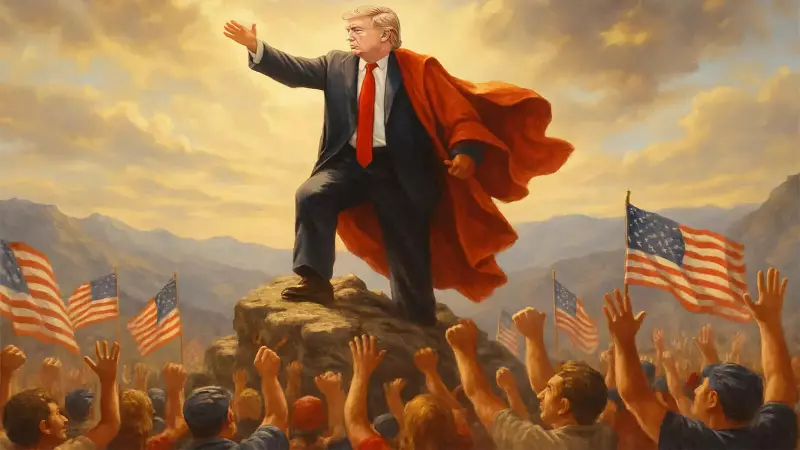
In a move that has sent shockwaves through the international community, former US President Donald Trump has once again captured global headlines with a characteristically aggressive foreign policy action. The bold extraction of Venezuelan President Nicolás Maduro from his stronghold, reportedly authorised by Trump and executed by a Delta Force unit, has been met with roaring approval from his core supporters.
The Operation and Its Immediate Aftermath
The dramatic event unfolded shortly after the conclusion of the Nobel Peace Prize season, creating a stark contrast in global affairs. Trump's authorisation of a muscular, unilateral military operation to remove Maduro stands as one of the most brazen geopolitical actions in recent memory. This direct action bypassed traditional diplomatic channels, underscoring a philosophy where national self-interest and sheer might are presented as the primary drivers on the world stage.
The reaction within the United States has been sharply divided yet telling. The MAGA (Make America Great Again) core is described as ecstatic, viewing this as the quintessential Trump action they admire. Meanwhile, understanding the potent political mood this generates, Democratic critics have been notably muted in their response, a strategic silence that speaks volumes about the operation's domestic resonance.

Philosophy of Power: Might Makes Right?
This incident throws into sharp relief the underlying philosophy that often guides realpolitik. The move reinforces the age-old notion that in the arena of foreign policy, abstract concepts of moral right and wrong are frequently secondary. The prevailing doctrine, as demonstrated here, prioritises national self-interest and the principle that might is right. Analysts argue this has been a constant throughout history, with powerful nations acting decisively when their interests are at stake.
Trump's decision to transition from a season symbolising peace to one of decisive conflict is a calculated narrative. It resonates deeply with a base that values strength, sovereignty, and unambiguous demonstrations of American power. The operation was not just a military tactic but a potent political signal, reaffirming a commitment to an America-first, unilateral approach that disregards multilateral consensus.
Global Repercussions and the Road Ahead
The long-term consequences of this audacious strike are yet to fully unfold. It sets a significant precedent for US interventionism and will likely recalibrate relationships across Latin America and with other global powers. The world is now forced to contend with the reality of a US willing to take extreme, direct action against regimes it deems adversarial.
For observers in India and globally, this event is a stark case study in the application of raw power in international relations. It highlights the enduring appeal of a strongman approach for a significant portion of the American electorate, while simultaneously challenging established norms of state sovereignty and diplomatic engagement. The muted response from political opponents confirms the potent, if controversial, appeal of such decisive actions in today's geopolitical landscape.