

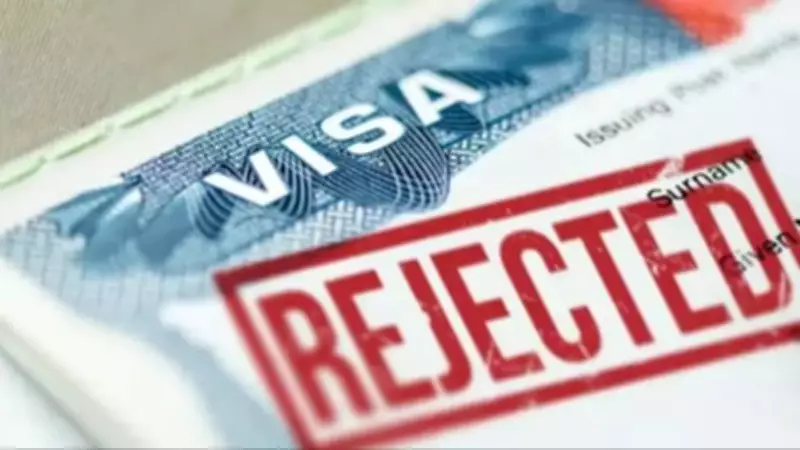
UAE Visa Rejections Surge for Indian Travelers in 2026
Securing a United Arab Emirates visa for tourism, business, work, or family visits has traditionally been a straightforward process for Indian citizens. However, as immigration regulations tighten and scrutiny intensifies in 2026, a growing number of applicants are encountering frustrating rejection notices due to preventable errors. Understanding these critical pitfalls and implementing strategic avoidance measures can dramatically enhance your likelihood of visa approval.
1. Incomplete or Incorrect Application Details: The Primary Error
Even minor typographical errors or omitted entries can trigger automatic visa refusal. UAE immigration systems employ exact data matching across multiple documents, meaning discrepancies in name spelling, date of birth, passport number, or nationality fields compared to your passport can result in rejection without further review.
Common pitfalls include:

- Misspelled names or mismatched dates
- Incorrect passport details entered in forms
- Leaving mandatory application fields blank
Prevention strategy: Triple-check every entry against your passport before submission, paying particular attention to names and numerical data.
2. Passport Validity and Format Issues
UAE visa regulations mandate a valid machine-readable passport with minimum six months validity from your intended entry date. Passports nearing expiration, showing physical damage, or being handwritten (older formats) face immediate rejection.
Prevention strategy: Renew passports with less than six months validity well before applying. Ensure scanned copies are clear, unedited, and fully display the machine-readable zone.
3. Incorrect Visa Category Selection
Choosing an inappropriate visa type—such as selecting a tourist visa for business meetings, work, or study purposes—leads to rejection because the category doesn't align with your travel intent.
Prevention strategy: Clearly define your travel purpose and select the corresponding visa category. When uncertain, consult official UAE visa guidelines or reputable visa agents before submission.
4. Inadequate Financial Documentation
UAE immigration authorities require evidence demonstrating applicants can financially support their stay. Insufficient bank statements, outdated financial records, or unclear proof of economic stability raise significant concerns.
Strengthen your application with:
- Bank statements spanning the last three to six months showing consistent balances
- Supplementary proof of income, salary slips, tax returns, or investment documents
5. Weak Evidence of Intent to Return to India
Immigration officers need assurance you'll return to India after your visit. Applications showing poor home country ties receive heightened scrutiny.
Examples of weak profiles include:
- No employment verification
- Absence of property ownership records
- Lack of documented family connections
Prevention strategy: Submit robust supporting documents like employer No Objection Certificates, job letters, property deeds, or evidence of family commitments in India.
6. Unsatisfactory Travel History
First-time travelers or those with irregular travel patterns sometimes face suspicion regarding potential overstays. Previous overstays or refusal records in any country—not just the UAE—can trigger rejection.
Prevention strategy: Maintain consistent travel records. If you have prior refusals or overstays, disclose them honestly in your application to build credibility through transparency.
7. Mismatched Itinerary or Accommodation Plans
Flight cancellations, unclear travel dates, or hotel bookings that don't align with visa application dates frequently cause refusals.
Prevention strategy: Use confirmed flight and hotel bookings covering your exact travel dates. Ensure reservation names match passport details perfectly.

8. Previous UAE Visa Violations or Overstay Records
If you've overstayed on prior UAE visits, failed to cancel previous residence/work permits, or left pending fines or legal issues unresolved, new visa applications may be blocked. Immigration systems share such historical data across visits.
Prevention strategy: Settle all fines completely and ensure previous visas are legally closed and stamped before departing the UAE. Obtain official travel records if necessary to clear your file before reapplying.
9. Visa Application Timing Errors
Applying immediately before your travel date, particularly during peak seasons, leaves minimal buffer for processing delays and verification checks, increasing rejection risk due to incomplete review.
Practical tip: Submit applications at least two weeks in advance to accommodate processing time and address any emerging document issues.
10. Misleading or Fraudulent Documentation
Submitting fake, altered, or "dummy" documents—such as forged bank statements, counterfeit flight tickets, or fabricated accommodation proofs—represents one of the most serious refusal causes. These raise immediate red flags and can result in long-term visa bans or denials without detailed explanation.
Critical advice: Always submit authentic, verifiable documents and never generate "dummy" PDFs differing from official records.
Practical Checklist for Indian Applicants
Follow this comprehensive checklist to ensure thorough preparation before submitting your UAE visa application:
- Match all personal details exactly as printed on your passport
- Verify passport validity extends at least six months beyond travel dates
- Attach confirmed flight and hotel bookings
- Provide three to six months of bank statements showing clear balance trends
- Submit strong proof of home ties like employment verification or property documents
- Apply early, avoiding last-minute submissions
UAE visa rejections typically stem from documentation issues, clarity problems, and transparency gaps rather than nationality considerations. Numerous refusals originate from simple, preventable mistakes that careful preparation and attention to detail can eliminate. By adhering to these guidelines and submitting complete, accurate, verifiable applications, Indian travelers can substantially improve their prospects for UAE visa approval in 2026.





