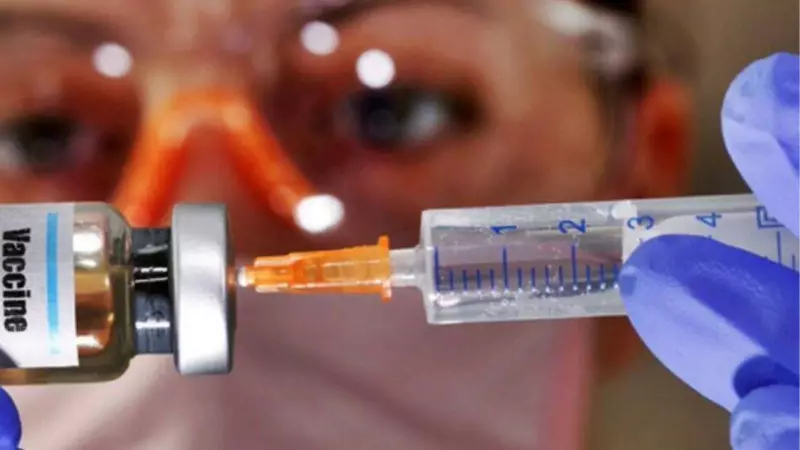
In a significant shift in public health policy, the United States has discontinued its routine recommendation for four key childhood vaccines for certain groups. The decision, announced by the Centers for Disease Control and Prevention (CDC), marks a departure from long-standing guidance aimed at protecting children from preventable diseases.
Which Vaccines Are Affected?
The change impacts the routine immunization schedule for polio, measles-mumps-rubella (MMR), chickenpox (varicella), and hepatitis A vaccines. The CDC will no longer universally recommend these shots for children entering childcare facilities, K-12 schools, and colleges. Instead, the guidance will now be targeted based on individual risk assessments and specific circumstances.
Former US President Donald Trump, commenting on the move, stated that this change aligns the United States with practices in other nations. He framed it as a step away from a one-size-fits-all mandate and towards a more personalized approach to healthcare. The policy shift was implemented through an update to the CDC's official guidelines for vaccine use in early childhood settings and schools.

Reactions and Public Health Concerns
The decision has sparked a heated debate among medical professionals and public health experts. Proponents argue it allows for more flexibility and parental choice, moving away from blanket mandates. However, a large section of the medical community has expressed deep concern.
Leading health organizations, including the American Academy of Pediatrics (AAP), have strongly opposed the change. They warn that removing the routine status of these vaccines could lead to dangerous drops in immunization rates. This, in turn, increases the risk of outbreaks of diseases that were once nearly eradicated in the US, such as measles and polio.
Experts emphasize that these vaccines have decades of proven safety and efficacy. They are credited with saving millions of lives and preventing severe illness, disability, and death. The routine school-entry requirements have been a cornerstone of achieving high community immunity, protecting even those who cannot be vaccinated.
Global Context and Potential Impact
While the Trump administration claims alignment with other countries, many developed nations maintain robust and routine childhood immunization schedules. Public health advocates fear this move could undermine global efforts to combat vaccine-preventable diseases and send a confusing message worldwide.
The immediate practical effect is that states and local school districts now have greater discretion to set their own vaccine requirements. This could lead to a patchwork of policies across the country, potentially creating pockets of low immunity where outbreaks can easily take hold.
The core fear among scientists is a resurgence of preventable diseases. Recent years have already seen measles outbreaks in communities with lower vaccination rates. They argue that maintaining high vaccination coverage is a public good that protects the most vulnerable, including infants and immunocompromised individuals.
As the policy takes effect, the focus will be on monitoring vaccination coverage data and disease incidence. Public health officials will be watching closely to see if this departure from routine guidance leads to the negative outcomes they have predicted.