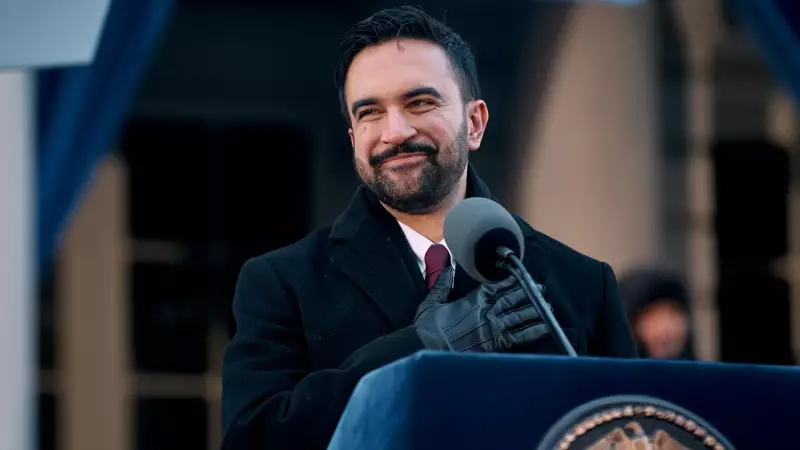
In a fiery condemnation that has stirred international debate, New York State Assemblyman Zohran Kwame Mamdani has labelled a reported United States plot to capture Venezuelan President Nicolás Maduro as nothing short of an "act of war." The progressive lawmaker's sharp remarks came in response to explosive revelations from a recent Reuters investigation, which detailed a clandestine multi-year scheme by US officials to detain the Venezuelan leader.
The Explosive Allegations: A US Plan to Seize Maduro
The controversy centers on a report published by the news agency Reuters on May 20, 2024. According to their investigation, US government officials devised and debated plans over several years to apprehend President Nicolás Maduro. The objective was reportedly to bring him to the United States to face long-standing criminal charges, including narco-terrorism. The plans, which were never executed, allegedly involved scenarios ranging from a secret rendition operation to luring Maduro onto a third-country aircraft.
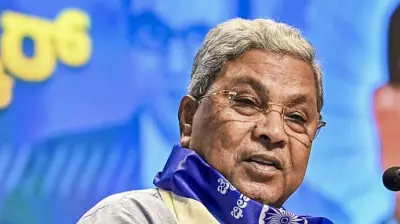
Assemblyman Mamdani, representing New York's 36th District, did not mince words in his reaction. He took to social media platform X (formerly Twitter) to state unequivocally that such an action by the US government would constitute a grave violation of international law. "The US plotting to kidnap the head of state of another country is an act of war," Mamdani declared. He further emphasized the severe implications, arguing it would "violate the UN Charter and every tenet of sovereignty."

Context: A Long-Standing Political and Economic Conflict
This incendiary revelation is set against the backdrop of a protracted and hostile relationship between Washington and Caracas. The United States has not recognized Maduro as Venezuela's legitimate president since his 2018 re-election, which it and dozens of other countries deemed fraudulent. Instead, the US has thrown its support behind opposition figure Juan Guaidó.
The economic front of this conflict has been equally brutal. The US has imposed crippling economic sanctions on Venezuela's vital oil industry, aiming to pressure Maduro out of power. These sanctions have severely impacted the Venezuelan economy, contributing to a profound humanitarian crisis marked by hyperinflation, mass migration, and shortages of basic goods. Mamdani directly linked the sanctions to the current situation, framing the capture plot as an escalation of a hybrid war already being waged against the South American nation.
Broader Implications and International Reaction
The assemblyman's statement adds a powerful political voice within the United States to the chorus of international criticism likely to follow the Reuters report. By invoking the United Nations Charter and the principle of national sovereignty, Mamdani places the alleged US plans in the realm of serious international law violations. Such actions, if undertaken, could set a dangerous global precedent and further destabilize diplomatic norms.
For Venezuela, the news reinforces the government's long-held narrative of being under constant threat from foreign intervention. It is likely to be used by Maduro's administration to rally domestic support and justify its security policies. The report also complicates any future diplomatic overtures between the two nations, which have seen tentative and fragile negotiations in the past regarding sanctions relief and electoral guarantees.
Zohran Mamdani, known for his progressive and anti-imperialist stance, has consistently criticized US foreign policy in regions like Latin America and the Middle East. His latest comments underscore a growing debate within American politics about the limits and consequences of US intervention abroad. The allegation of a plot to capture a sitting president brings the abstract concept of "regime change" into stark, and legally fraught, reality.
As of now, there has been no official execution of the alleged plans, and the White House has not publicly commented on the specifics of the Reuters investigation. However, the mere discussion of such options at high levels of the US government, as reported, has ignited a fierce discussion on sovereignty, international law, and the future of US-Venezuela relations.