US Senator JD Vance Accuses Iran of Economic Terrorism Over Hormuz Strait Threat
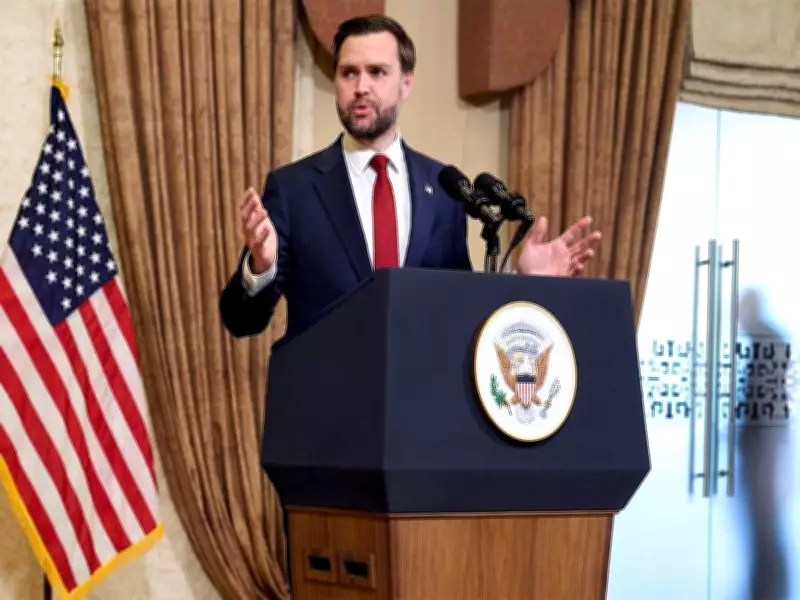
In a sharp escalation of rhetoric, US Senator JD Vance has publicly accused Iran of being willing to engage in what he termed "economic terrorism." This accusation comes as the United States implements measures to block the strategic Hormuz Strait, a critical maritime chokepoint for global oil shipments. The situation highlights growing tensions between the two nations, with potential implications for international trade and security.
Background on the Hormuz Strait and Its Strategic Importance
The Hormuz Strait, located between the Persian Gulf and the Gulf of Oman, is one of the world's most vital waterways. It serves as a primary transit route for approximately one-fifth of the global oil supply, making it a linchpin in the global economy. Any disruption in this area can lead to significant spikes in oil prices and economic instability worldwide. Historically, Iran has threatened to close the strait in response to sanctions or military actions, leveraging its geographical control over this narrow passage.
Senator Vance's Accusations and US Response
Senator JD Vance, a prominent figure in US politics, made his remarks in the context of ongoing US efforts to counter Iranian influence in the region. He stated that Iran's actions, including threats to disrupt shipping in the Hormuz Strait, constitute a form of economic terrorism aimed at destabilizing global markets. Vance emphasized that such behavior cannot be tolerated and called for robust measures to ensure the free flow of commerce.

In response, the United States has moved to block access to the Hormuz Strait through increased naval patrols and sanctions targeting Iranian entities. This move is part of a broader strategy to curb Iran's regional ambitions and protect international trade routes. The US government argues that these actions are necessary to prevent Iran from using the strait as a tool for coercion.
Implications for Global Trade and Diplomacy
The accusations and subsequent US actions have raised concerns about the potential for broader conflict in the Middle East. Key stakeholders, including other Gulf nations and major oil-importing countries, are closely monitoring the situation. Disruptions in the Hormuz Strait could lead to:
- Increased oil prices, affecting economies worldwide.
- Heightened military tensions, with risks of escalation.
- Diplomatic challenges, as nations navigate between supporting US policies and maintaining relations with Iran.
Experts warn that labeling Iran's actions as economic terrorism could further complicate diplomatic efforts, potentially derailing negotiations on issues such as nuclear proliferation and regional stability.
Iran's Perspective and Regional Dynamics
From Iran's viewpoint, the Hormuz Strait is a sovereign area where it has legitimate security interests. Iranian officials have often framed their threats as defensive measures against what they perceive as aggressive US policies, including sanctions and military presence in the region. They argue that the US blockade is an act of economic warfare that violates international law.
This standoff occurs against a backdrop of ongoing conflicts and alliances in the Middle East, with countries like Saudi Arabia and Israel aligning with US interests, while others, such as Russia and China, may offer support to Iran. The situation underscores the complex geopolitical landscape where economic and security concerns are deeply intertwined.
Looking Ahead: Potential Outcomes and Risks
As tensions simmer, several scenarios could unfold:
- De-escalation through diplomacy, with renewed talks between the US and Iran to address mutual concerns.
- Increased military posturing, leading to accidental clashes or a broader conflict.
- Economic repercussions, such as sustained high oil prices impacting global recovery efforts.
Senator Vance's strong language reflects a hardening stance in US foreign policy, which may influence future decisions. Observers note that the situation requires careful management to avoid unintended consequences that could ripple through the global economy.

In summary, the accusation by US Senator JD Vance that Iran is willing to engage in economic terrorism, coupled with US actions to block the Hormuz Strait, marks a significant development in US-Iran relations. This episode not only highlights the strategic importance of the Hormuz Strait but also underscores the broader challenges of balancing security, economics, and diplomacy in a volatile region. The world watches closely as these events unfold, with potential impacts on international trade and peace.