US Reinforces Military Presence in Middle East While Pursuing Diplomatic Channels with Iran
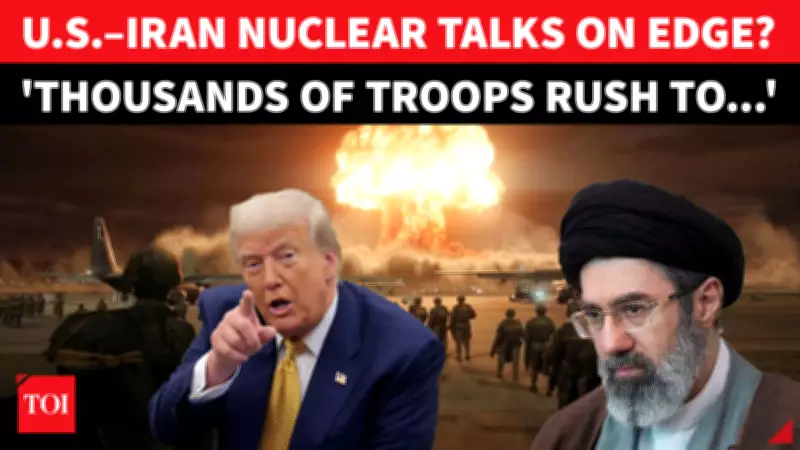
The United States is implementing a significant military reinforcement in the Middle East, deploying elite combat troops to the Gulf region even as delicate diplomatic negotiations with Iran continue to unfold. This dual-track approach underscores the complex and volatile security landscape currently shaping American foreign policy in one of the world's most strategically important areas.
Elite Airborne Division Mobilized for Gulf Deployment
According to confirmed military reports, approximately 1,500 to 2,000 highly trained personnel from the prestigious 82nd Airborne Division are being mobilized for immediate deployment to the Middle East. This elite rapid-response unit, known for its global deployment capabilities and combat readiness, represents a substantial enhancement to the existing US military footprint in the region.
The primary objectives of this deployment are clearly defined: strengthening deterrence against regional threats and ensuring enhanced protection for American personnel and critical assets stationed throughout the Gulf. This strategic move comes as a direct response to the persistent security challenges that have characterized the regional environment in recent months.

Persistent Threats Despite Diplomatic Efforts
The decision to deploy additional troops unfolds against a troubling backdrop of continued security incidents targeting American interests. Multiple reports confirm that US military bases and allied infrastructure across the Middle East have faced:
- Ongoing missile attacks from various regional actors
- Persistent drone threats that have increased in frequency and sophistication
- Security incidents occurring even during periods officially described as ceasefires
These persistent threats have created what military analysts describe as a continuously volatile security environment that requires robust defensive measures alongside diplomatic engagement.
Complicated Diplomatic Landscape
Simultaneously, high-stakes negotiations between Washington and Tehran continue to face significant challenges. The talks, currently hosted in Islamabad, have encountered:
- Repeated delays in the negotiation timeline
- Complications arising from unresolved regional issues
- Specific tensions regarding Israeli military operations in Lebanon
- Ongoing disagreements about sanctions relief frameworks
This diplomatic complexity creates a paradoxical situation where military reinforcement occurs alongside continued dialogue, reflecting what foreign policy experts characterize as a "preparedness while pursuing peace" strategy.
Strategic Implications of Dual-Track Approach
The simultaneous deployment of elite troops and continuation of diplomatic talks represents a carefully calibrated American strategy. Military analysts note that this approach serves multiple strategic purposes:
- Demonstrating resolve and capability to regional adversaries
- Providing tangible security assurances to regional allies
- Creating negotiating leverage through demonstrated military readiness
- Ensuring protection of American interests regardless of diplomatic outcomes
This military reinforcement occurs as the broader Middle East faces what security experts describe as increasingly complex threat matrices, with multiple state and non-state actors engaging in activities that challenge regional stability and international security frameworks.
The deployment of the 82nd Airborne Division, with its rapid response capabilities and combat experience, represents a significant escalation in American military preparedness in the region. Meanwhile, the continued diplomatic engagement in Islamabad suggests that Washington remains committed to pursuing negotiated solutions, even as it prepares for potential security contingencies.
This dual-track strategy reflects the current administration's approach to managing what has become one of the most challenging and potentially explosive international security situations, balancing military preparedness with diplomatic engagement in a region where both have become increasingly necessary.