

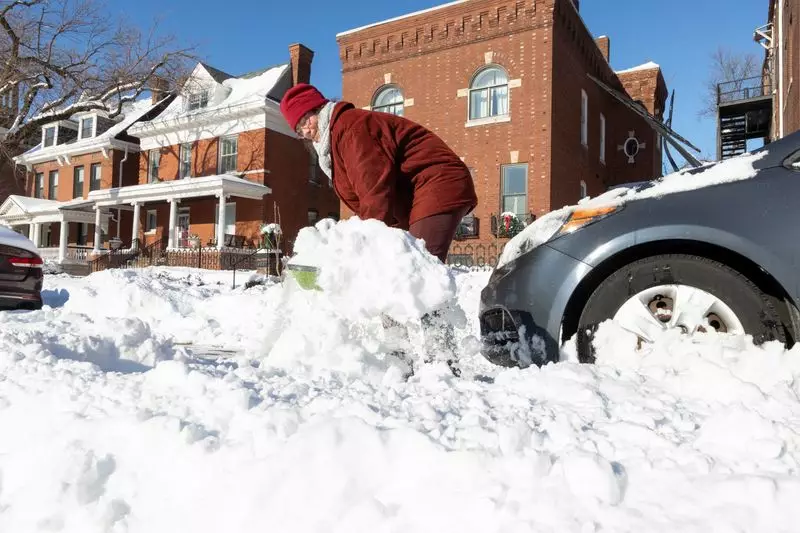
Deadly US Snow Storm Triggers Massive Power Outages and 'War Zone' Scenes
A severe and deadly snowstorm has swept across parts of the United States, leading to catastrophic disruptions and leaving hundreds of thousands of residents in the dark. Reports indicate that over 800,000 power outages have been recorded as the storm intensifies, with emergency services scrambling to respond to the crisis.
Widespread Devastation and Emergency Alerts
The storm, characterized by heavy snowfall and strong winds, has caused significant damage to infrastructure, including downed power lines and blocked roads. Local authorities have issued warnings for residents to stay indoors and avoid travel unless absolutely necessary. The scale of the outages has overwhelmed utility companies, with restoration efforts expected to take days in some of the hardest-hit areas.
In many communities, the aftermath of the storm has been described as apocalyptic. Residents have taken to social media and local news outlets to share images and accounts of the destruction, with some comparing their neighborhoods to a "war zone" due to the extensive debris and lack of basic services.

Impact on Daily Life and Safety Concerns
The power outages have not only disrupted electricity but also affected heating systems, communication networks, and access to essential supplies. With temperatures plummeting, there are growing concerns about hypothermia and other cold-related health risks, particularly for vulnerable populations such as the elderly and those without adequate shelter.
- Emergency shelters have been set up in several locations to provide warmth and basic necessities.
- Transportation services, including flights and public transit, have been canceled or delayed, stranding travelers.
- Schools and businesses have closed indefinitely until conditions improve and power is restored.
Officials are urging people to check on their neighbors and report any emergencies immediately. The storm serves as a stark reminder of the increasing frequency and intensity of extreme weather events, possibly linked to broader climate patterns affecting the region.






