

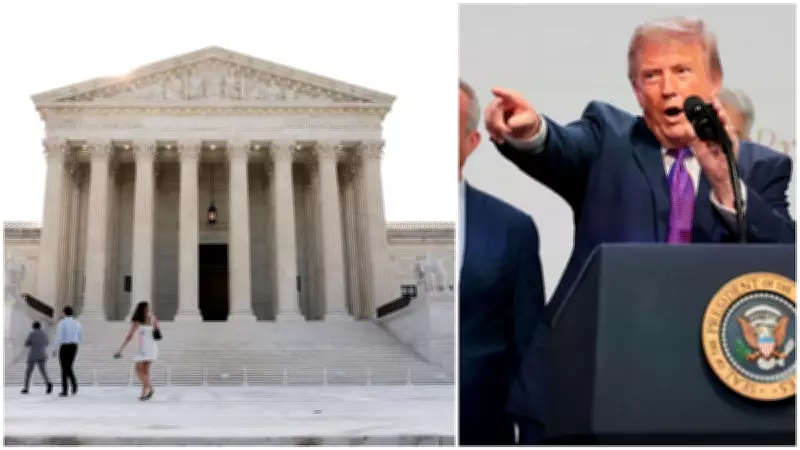
Supreme Court Decision Upholds Birthright Citizenship
The United States Supreme Court has affirmed the constitutional guarantee of birthright citizenship, effectively blocking President Donald Trump's efforts to impose restrictions on the policy. The ruling, delivered on June 30, 2026, reaffirms that any child born on U.S. soil is automatically granted citizenship, regardless of their parents' immigration status.
Administration's Argument Rejected
During oral arguments, U.S. Solicitor General D. John Sauer, representing the Trump administration, contended that the current interpretation of the 14th Amendment had fostered what he described as a sprawling industry of 'birth tourism.' He argued that pregnant women from abroad travel to the United States specifically to give birth, thereby securing citizenship for their children, and that this practice undermines immigration laws. However, the Court found no legal basis to alter the longstanding precedent established in the 1898 case United States v. Wong Kim Ark.
Impact and Reactions
The decision has broad implications for millions of families and the nation's immigration debate. Birthright citizenship, rooted in the Citizenship Clause of the 14th Amendment, has been a cornerstone of American law for over a century. According to legal experts, the ruling solidifies the principle that citizenship is a birthright, not a privilege subject to executive discretion. Advocacy groups praised the decision as a victory for civil rights, while administration officials expressed disappointment, vowing to seek legislative changes.







