

In a significant reversal, a public university in Tennessee has been forced to reinstate a tenured professor it had dismissed and pay him a substantial settlement. The case, which stemmed from a social media post made in the aftermath of a controversial killing, underscores the tensions between academic freedom, institutional procedure, and external political pressure.
University Reverses Course, Admits Fault
Austin Peay State University (APSU) has officially reinstated Darren Michael, a professor of theatre and dance, effective December 30. The reinstatement is part of a legal settlement that also requires the university to pay the professor $500,000. This payment, authorised by Tennessee Governor Bill Lee, Attorney General Jonathan Skrmetti, and Comptroller Jason Mumpower, includes reimbursement for counselling expenses incurred by Michael.
The university's president, Mike Licari, sent an email to the campus community on December 30, explicitly conceding that APSU had not followed the required process for terminating a tenured faculty member. Issuing this communication was a mandated condition of the settlement agreement. "I deeply regret and apologize for the impact this has had on Professor Michael and on our campus community," Licari wrote, adding his commitment to ensuring due process in the future.

The Social Media Post and Political Backlash
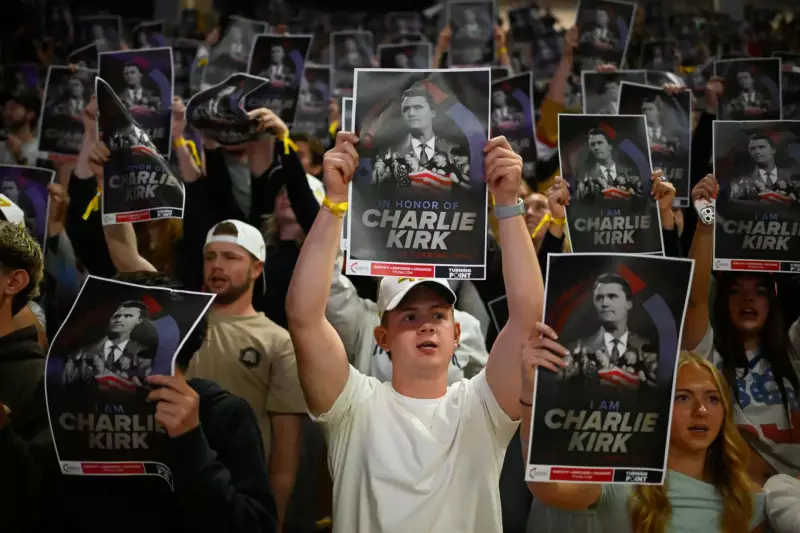
The controversy began in September following the fatal shooting of conservative activist Charlie Kirk. Professor Darren Michael was among several individuals who faced professional repercussions for their online commentary on the event. Michael shared a headline from a 2023 news article that read, "Charlie Kirk Says Gun Deaths ‘Unfortunately’ Worth It to Keep 2nd Amendment."
The situation escalated rapidly when Republican U.S. Senator Marsha Blackburn, who is also a candidate for Tennessee governor, circulated a screenshot of Michael's post on social media. Her post included Michael's photograph and professional biography, and she directly tagged the university's official account, demanding, "What do you say, Austin Peay State University?" This intervention placed immense public pressure on the institution.
Consequences and the Path to Settlement
In response to the growing backlash, Austin Peay State University placed Professor Michael on suspension and later moved to terminate his tenured position. However, Michael's legal representation argued that the university's actions were procedurally flawed and driven by outside influence.
David L. King, Michael's attorney, stated that his client's social media post was neither threatening nor offensive. He told media that the professor was subjected to severe pressure from "outside forces" and that the entire episode caused significant harm to both Michael and his daughter. The settlement and reinstatement are seen as a vindication of Michael's stance and a correction of the university's procedural missteps.
This case serves as a prominent example of the complex interplay between free speech, academic tenure, and the growing trend of political figures influencing institutional decisions. The $500,000 settlement and public apology mark a costly lesson for Austin Peay State University in upholding due process and protecting faculty rights.






