

White House Distances Trump from Domestic Terrorist Label as ICE Shootings Spark Protests
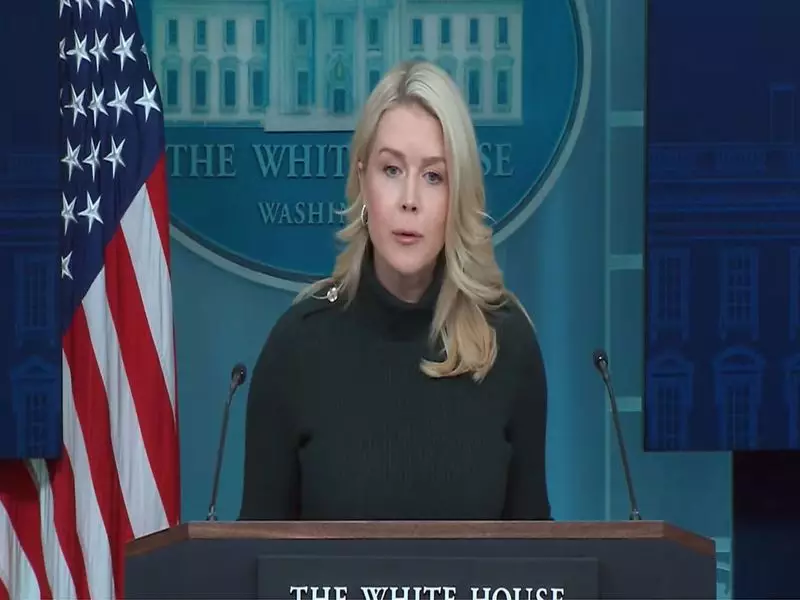
The White House has publicly distanced former President Donald Trump from being labeled a domestic terrorist, a move that comes in the wake of recent shootings involving Immigration and Customs Enforcement (ICE) agents that have ignited widespread protests across the United States. This development underscores the ongoing political tensions and debates surrounding immigration policies and law enforcement actions in the country.
Background on the ICE Shootings and Protests
The protests were triggered by a series of incidents where ICE agents were involved in shootings during enforcement operations. These events have led to public outcry, with critics accusing the agency of excessive force and targeting immigrant communities. In response, demonstrators have taken to the streets in multiple cities, calling for reforms and accountability within ICE.
Amid this turmoil, some political figures and activists have sought to link former President Trump to the label of domestic terrorist, citing his past rhetoric and policies on immigration. However, the current White House administration has moved to clarify its stance, emphasizing that such labels are not officially endorsed and distancing Trump from these accusations.

White House's Position and Implications
In a recent statement, White House officials emphasized that while they acknowledge the concerns raised by the protests, they do not support categorizing Trump as a domestic terrorist. This position is seen as an attempt to navigate the delicate political landscape, balancing calls for justice with the need to maintain a measured approach to former administrations.
The distancing from the domestic terrorist label highlights the broader challenges in addressing domestic extremism and political polarization in the U.S. It also reflects the administration's efforts to focus on current policy issues rather than engaging in retrospective blame games, even as public pressure mounts over the ICE shootings.
Public and Political Reactions
The White House's stance has elicited mixed reactions. Supporters of Trump have welcomed the move, viewing it as a rejection of what they see as unfounded political attacks. On the other hand, critics argue that it undermines efforts to hold accountable those they believe have incited violence through divisive policies.
As protests continue, the debate over ICE's role and the legacy of Trump's immigration policies remains heated. The situation underscores the deep divisions in American society and the ongoing struggle to reconcile law enforcement actions with civil liberties and human rights concerns.
Moving forward, the White House's approach could influence how similar incidents are handled in the future, setting a precedent for addressing allegations against former officials while responding to public demands for transparency and reform.






